How To Make cortado coffee
You want a smooth cortado that balances espresso bite with silky milk. This guide walks you through each practical step so you can make one at home.
No fluff—just the exact measurements, temperatures, and visual cues you need. You’ll be pouring a true cortado in minutes.
How To Make Cortado Coffee
A cortado is a small espresso drink cut with warm milk to reduce acidity and create a silky texture. Expect a 1:1 espresso-to-milk ratio, a creamy mouthfeel, and a 4–5 oz final serving—bold but balanced.
Ingredients
- 18–20 g freshly ground espresso coffee (for a double shot) — finely ground for espresso.
- 36–40 ml espresso (double shot) — yields the coffee base.
- 36–40 ml whole milk (or milk of choice) — warmed and lightly textured for a 1:1 ratio.
- Optional: small spoon for stirring; a 4–5 oz glass or demitasse.
Step-By-Step Instructions
Prepare and Dose the Coffee
Grind 18–20 g of fresh coffee to an espresso-fine texture. Distribute evenly in the portafilter and tamp with firm, level pressure (about 30 lbs) so water flows uniformly. Using a calibrated scale helps you repeat results.
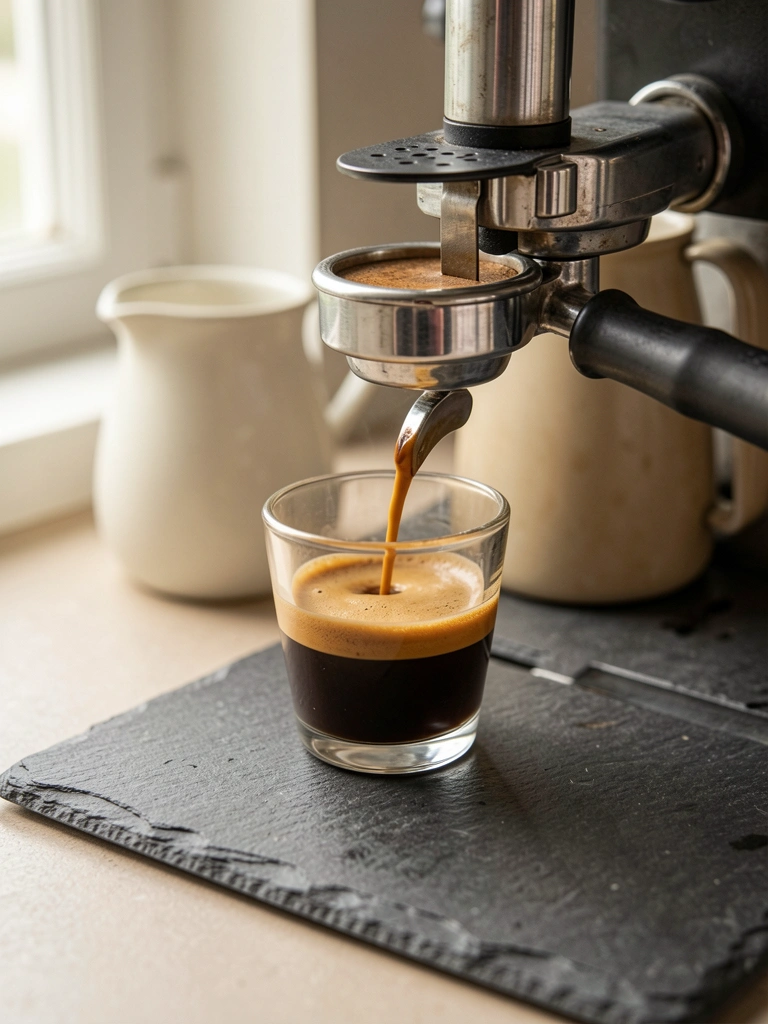
Lock the portafilter into your espresso machine and heat the group head. Pull a double shot aiming for 36–40 ml in about 25–30 seconds. This timing gives balanced extraction and the crema you’ll want.
Steam the Milk to the Right Temperature
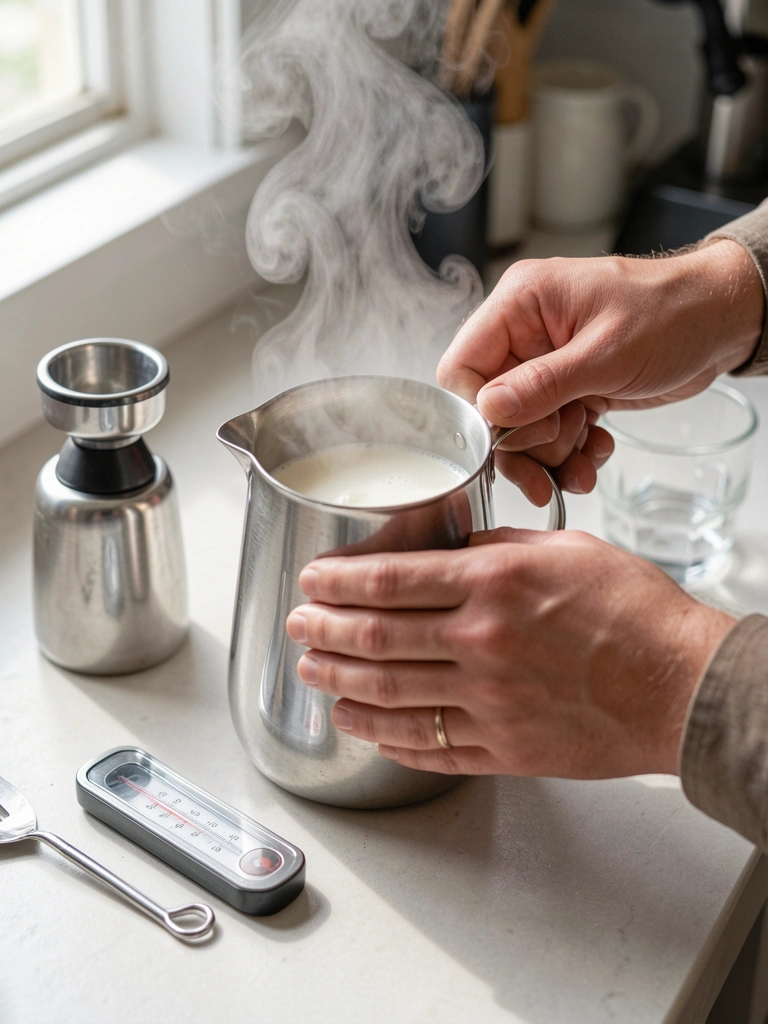
Pour 36–40 ml whole milk into a small steel pitcher; you’re aiming for equal parts milk and espresso. Purge the steam wand, then position the tip just below the surface to create microfoam. Heat to 140–150°F (60–65°C); stop when the pitcher is warm to touch.
Look for glossy, velvety foam with tiny bubbles and a slightly rippling surface. Overheating or big bubbles will break the cortado’s silky texture.
Combine Espresso and Milk
Swirl the steamed milk to integrate foam and liquid. Pour the espresso into a warmed 4–5 oz glass. Hold the pitcher close and pour slowly to combine without too much foam on top—aim for a thin, even layer.
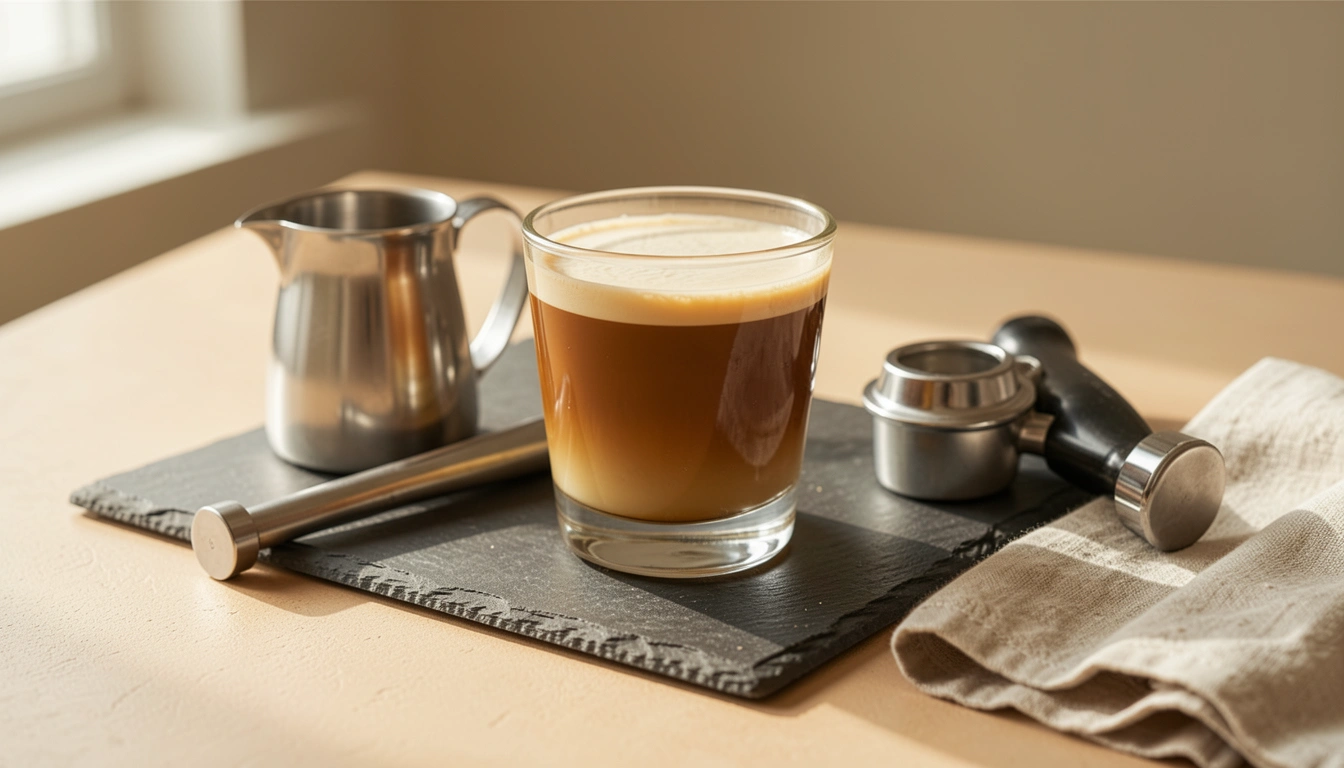
The visual cue: the drink should finish with a smooth, light crema layer and a silky milk top that’s not thick cappuccino foam.
Serve Immediately
A cortado is best served right away at 140–150°F; it cools quickly because of the small volume. Present in a clear glass so the espresso-milk contrast shows, and enjoy while textures are optimal.
Adjust and Repeat
If the espresso tastes sour, extend extraction by a few seconds or coarsen grind slightly. If it’s bitter, shorten extraction or fine-tune dose. Tweak milk temperature and steaming technique until you get that velvety mouthfeel.
Ratio & Serving Size
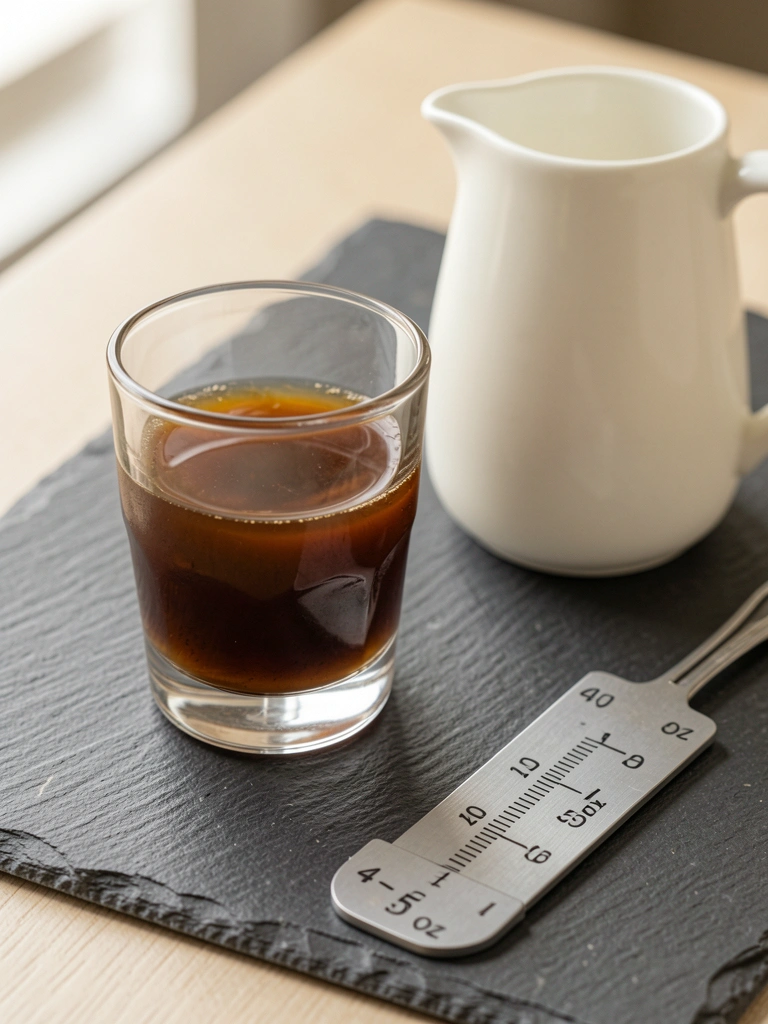
The classic cortado uses a 1:1 ratio of espresso to milk. That usually means a 36–40 ml double shot paired with 36–40 ml textured milk for a final 4–5 oz beverage.
Serve in a small glass so the balance reads correctly on the palate. If you prefer, slightly larger milk volumes create a milder drink—but keep the spirit of the cortado by maintaining near-equal parts.
Tools & Equipment
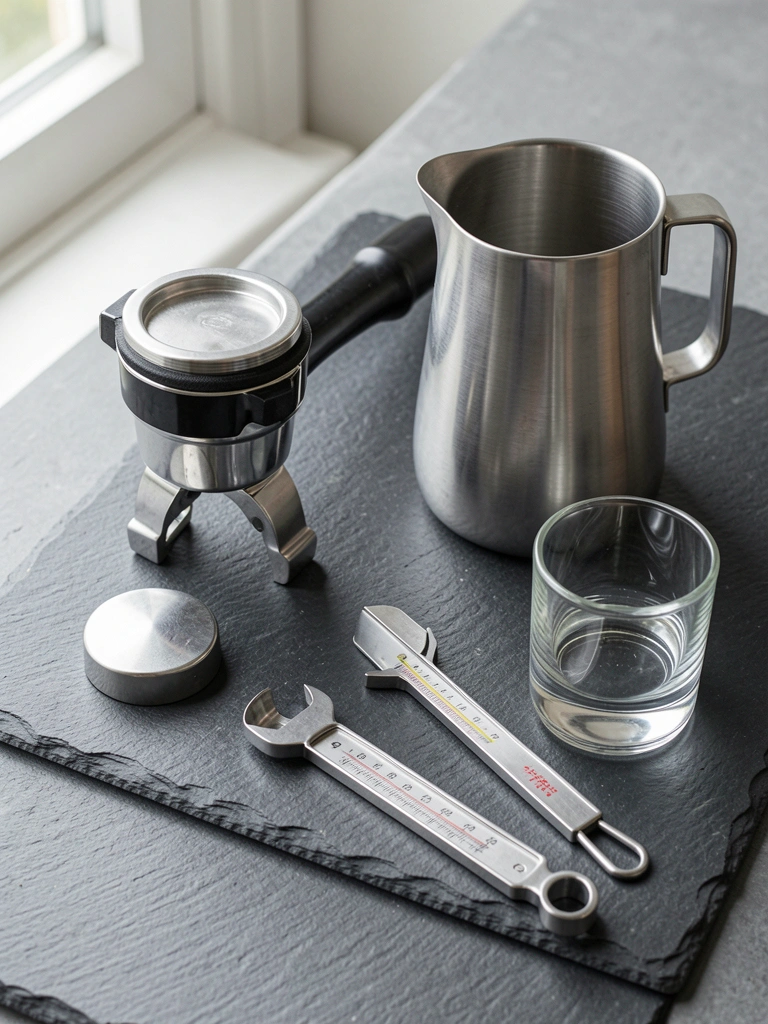
You’ll need an espresso machine (or a strong stovetop espresso), a good grinder, a small milk pitcher, and a thermometer if you’re learning temperatures. A scale helps with dosing and consistency.
Investing a bit in a reliable tamper and a pitcher with a pointed spout makes precise pouring and repeatability much easier. Use the same tools each time to dial in your routine.
Milk Choices & Texture
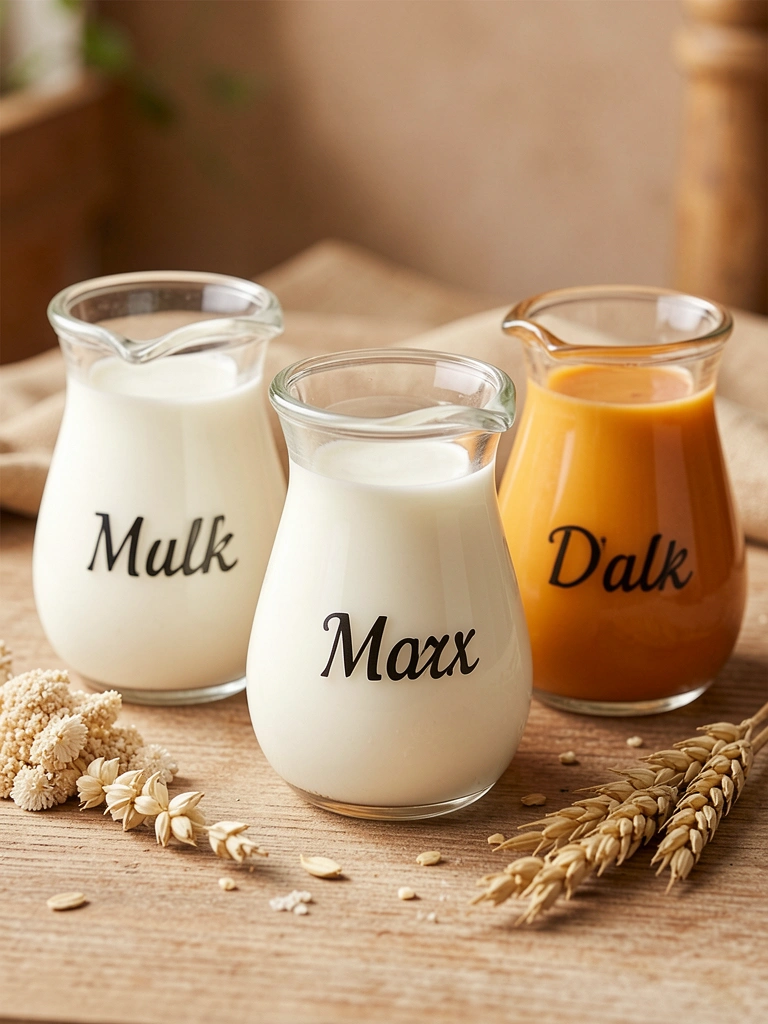
Whole milk gives the creamiest texture and easiest microfoam for a cortado. If you choose alternatives (oat, almond), pick barista blends for better frothing. They’ll still yield a balanced cortado but with slightly different mouthfeel.
Focus on texture over foam height: tiny, glossy bubbles create that signature silkiness. Practice steaming until you can feel the pitcher tighten and see a smooth, paint-like consistency.
Troubleshooting Common Problems
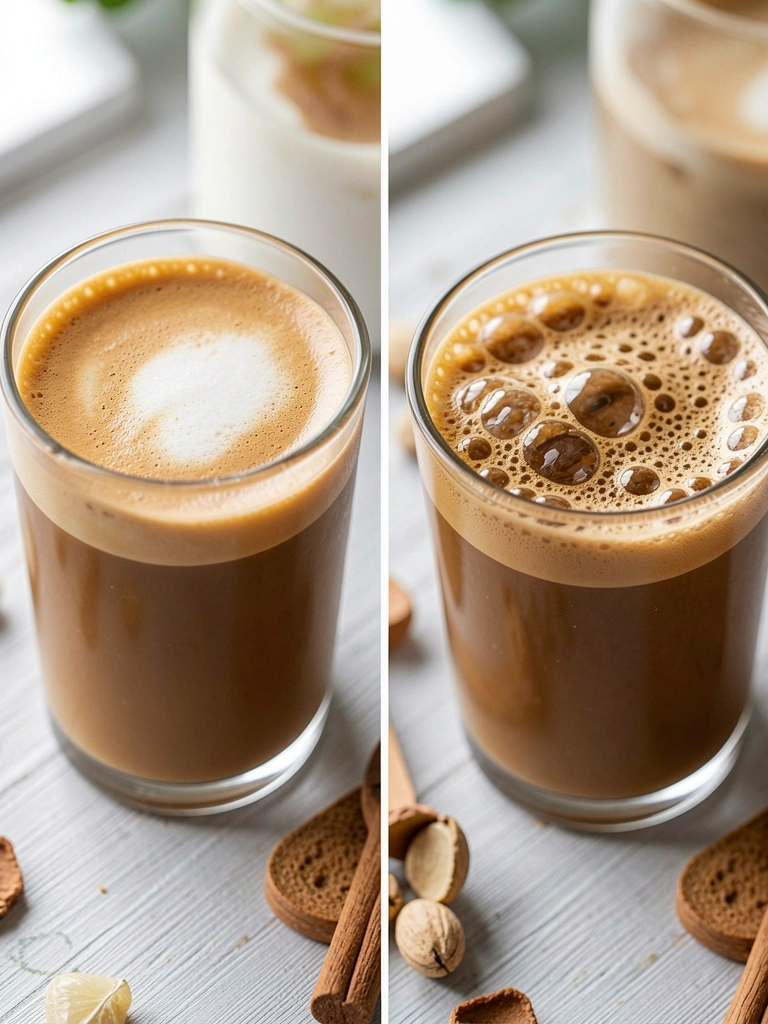
- Sour espresso: under-extracted. Increase extraction time by 2–5 seconds or adjust grind finer.
- Bitter espresso: over-extracted. Shorten extraction or grind slightly coarser.
- Big milk bubbles: wand too deep. Keep tip near surface briefly to create microfoam, then submerge to heat.
- Flat milk: not enough aeration. Introduce a little air at the start and then texture by rolling the milk.
Fix one variable at a time: dose, grind, tamp, extraction time, and milk technique.
Final Thoughts
You now have the exact steps to make a balanced, silky cortado at home. Practice the espresso pull and milk texture separately, then combine them for consistent results.
Keep notes on dose, timing, and temperature. With small tweaks you’ll be pouring café-level cortados confidently.