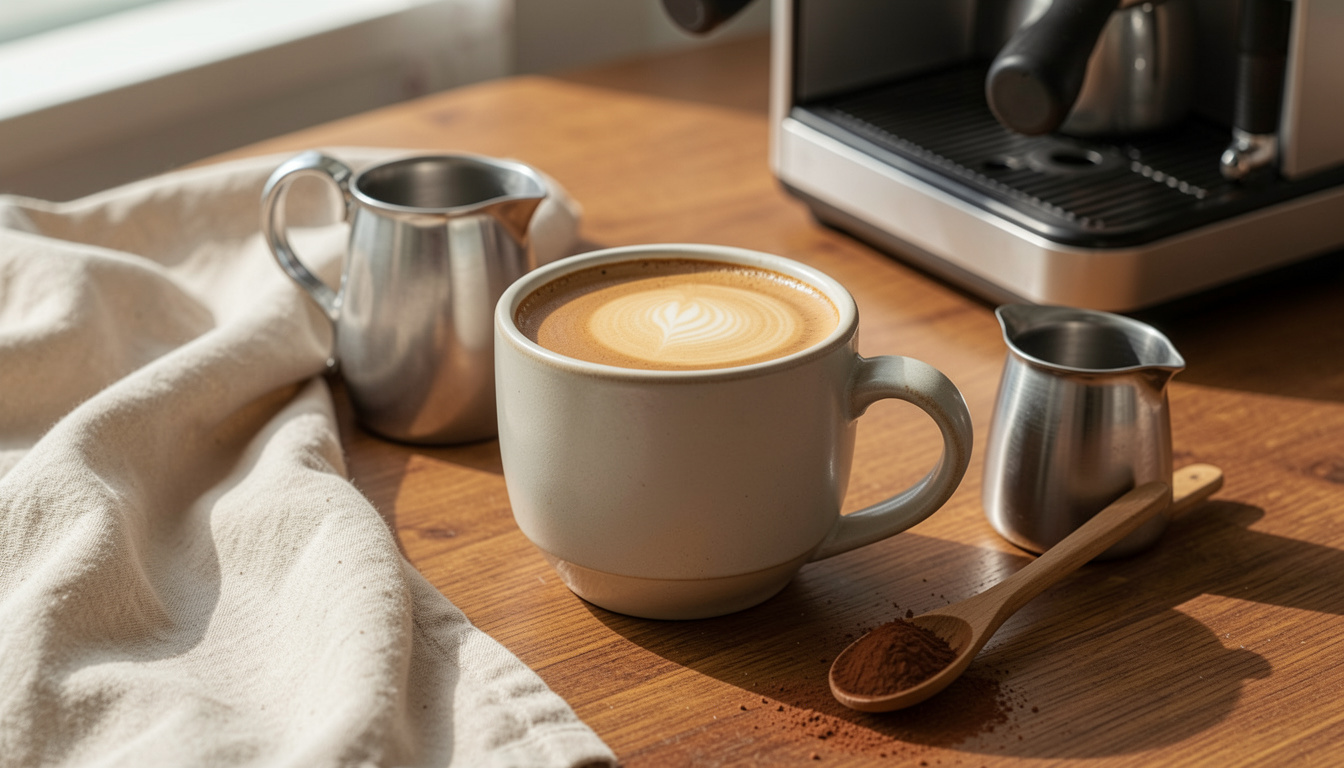
How To Make Mocha Coffee At Home
You want a cafe-style mocha without leaving home. This guide walks you through each measured step so your drink tastes balanced — chocolate, coffee, and silky milk in harmony.
You’ll learn exact ratios, temperatures, and small tricks baristas use to get that glossy chocolate base and velvety foam. No fluff — just what you need to make a repeatable, delicious mocha.
How To Make Mocha Coffee At Home
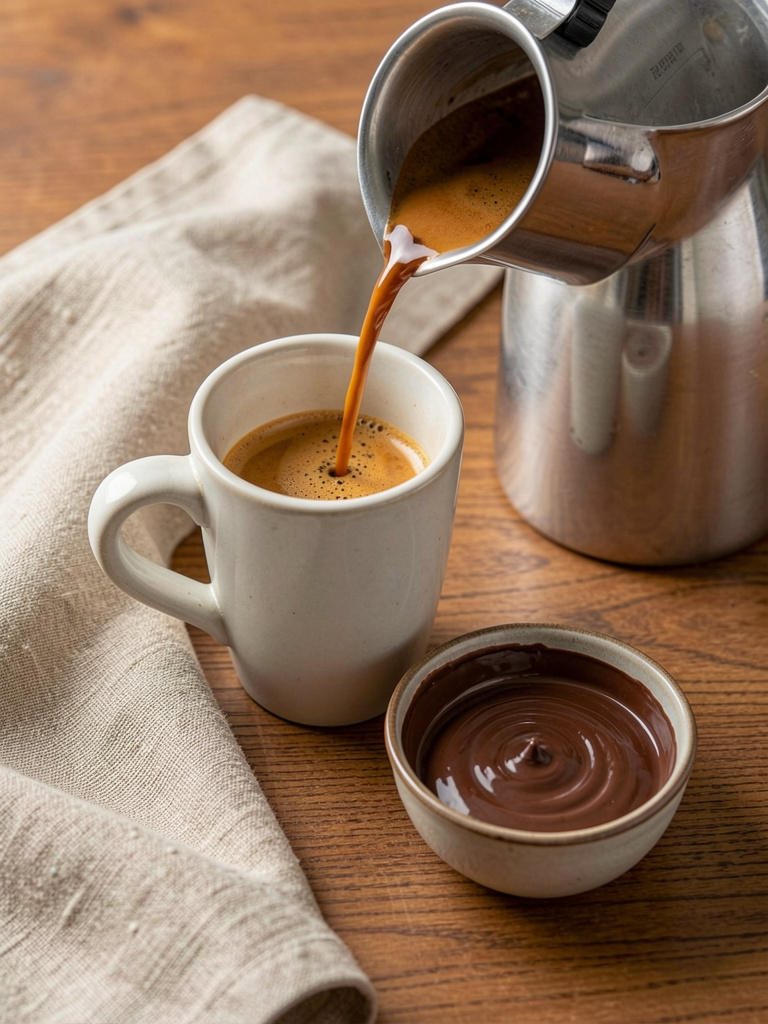
This is a single-serving cafe-style mocha: rich chocolate blended with one or two shots of espresso, finished with steamed milk and a light foam cap. Expect creamy texture, noticeable chocolate sweetness, and a balanced coffee backbone.
Ingredients
- 1–2 shots (30–60 ml) freshly brewed espresso — use 1 for milder, 2 for stronger.
- 8 fl oz (240 ml) whole milk (or 2% for lighter) — heats and froths best.
- 1 tbsp unsweetened cocoa powder OR 20 g bittersweet chocolate — cocoa gives brightness; chocolate gives richness.
- 1–2 tsp granulated sugar (adjust to taste) — helps dissolve cocoa and balance bitterness.
- Pinch of fine sea salt — lifts chocolate flavor.
- Optional: whipped cream or chocolate shavings for topping.
- Tools: espresso machine or strong coffee maker, small saucepan or milk steamer, milk frother or handheld whisk, small bowl.
Step-By-Step Instructions
Make the coffee base
Brew 1–2 shots (30–60 ml) of espresso using your machine. If you don’t have espresso, brew 60 ml of very strong drip or Moka-pot coffee. Use freshly ground beans for best aroma; the espresso strength defines the mocha’s backbone.
Pour the hot espresso into a heatproof bowl or your serving mug so it’s ready to accept the chocolate. Hot coffee helps dissolve chocolate and meld flavors quickly.
Create the chocolate base
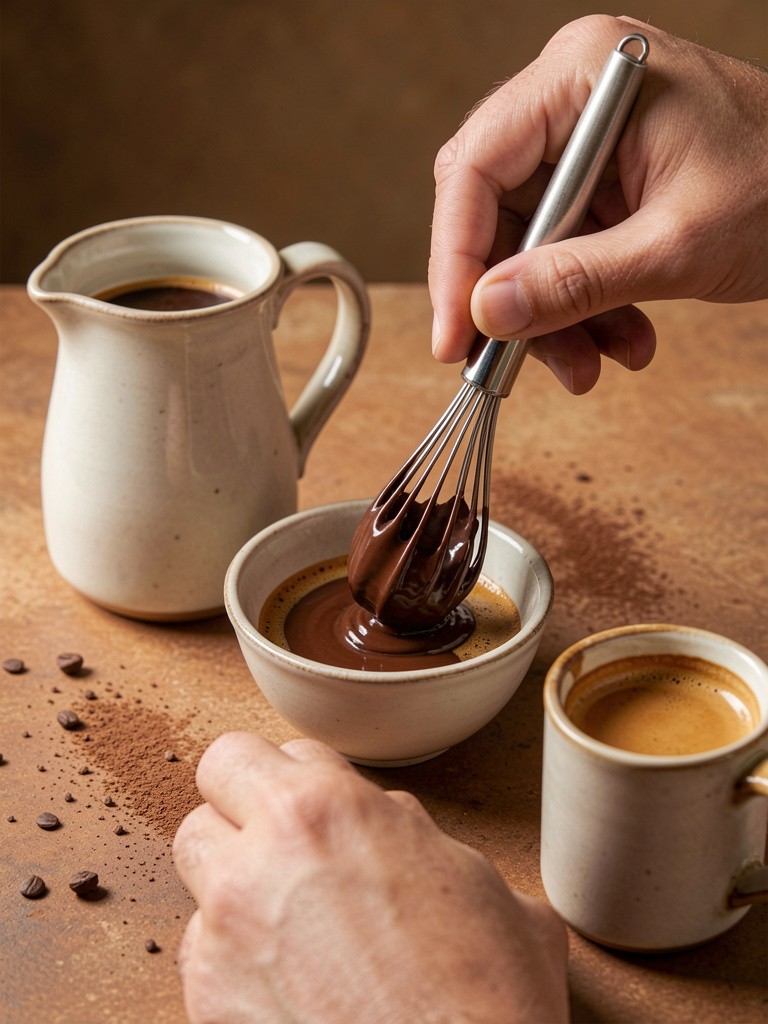
If using cocoa: whisk 1 tbsp unsweetened cocoa and 1–2 tsp sugar with 1–2 tbsp hot water to make a smooth paste. If using chopped chocolate: melt 20 g with 1 tbsp hot water or a splash of milk over low heat. Add a pinch of salt to brighten the chocolate.
Aim for a glossy, lump-free syrup. The chocolate base ensures even distribution of chocolate flavor through the drink rather than floating clumps.
Heat and froth the milk
Warm 8 fl oz (240 ml) milk to 140–150°F (60–65°C). Use a milk steamer if you have one; otherwise heat gently in a small saucepan until it’s steaming but not boiling, about 2–3 minutes.
Froth the milk with a steam wand, handheld frother, or whisk. You want silky microfoam — small, dense bubbles — not stiff peaks. This texture pairs with the chocolate for a creamy mouthfeel.
Combine coffee and chocolate
Stir the chocolate base fully into the hot espresso until smooth. Taste and adjust sweetness now — chocolate and coffee flavors are most balanced at this stage.
Pour the steamed milk over the espresso-chocolate mix, holding back foam with a spoon and then spooning a light foam cap on top. The pour should be steady to create an even layer.
Finish and serve
Optional: dust with ¼ tsp cocoa powder or grate a few chocolate shavings over the foam. Add whipped cream for a dessert-style mocha.
Serve immediately in a warmed mug. The contrast of hot mocha and cool room air keeps aroma vivid and texture lush.
Equipment & Tools
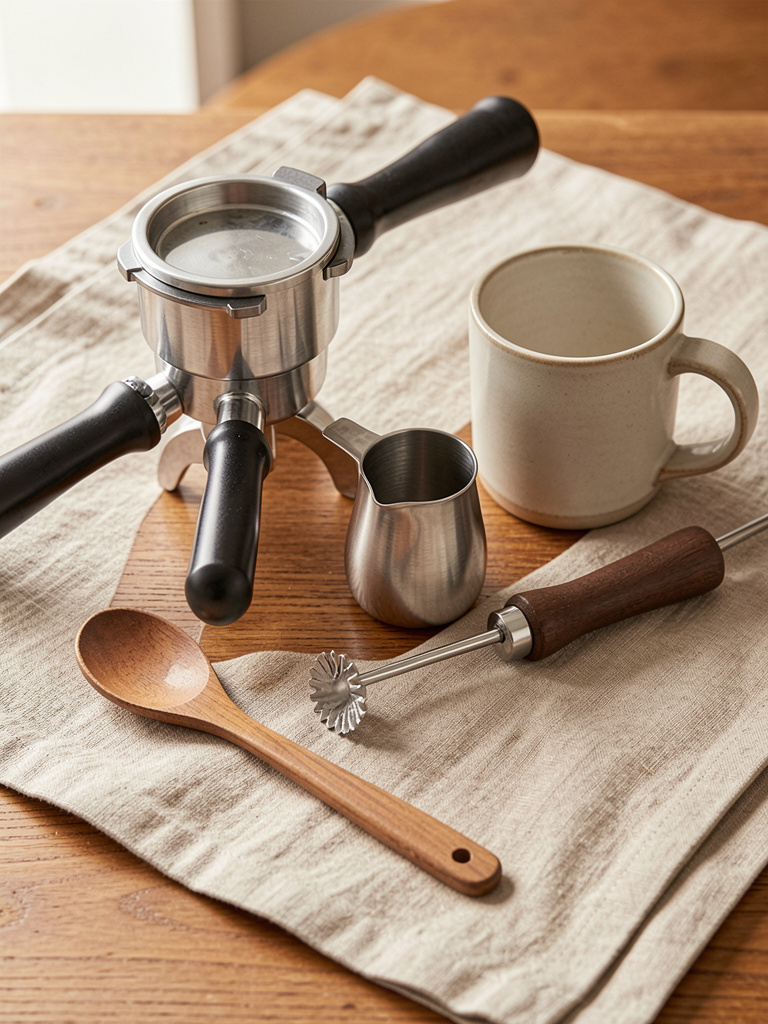
A basic setup: espresso machine or Moka pot, small saucepan or steamer, milk frother, and a sturdy mug. Good tools make consistent temperature and texture easier.
If you use a steam wand, you’ll reach microfoam more quickly. Handheld frothers work well but require more whisking to achieve silky texture. Choose what fits your kitchen.
Routine maintenance matters: clean your machine and frother after each use. Residual oils or old milk change flavor and foam quality.
Milk & Chocolate Choices
Different milks and chocolates change texture and taste. Whole milk gives the creamiest mouthfeel; 2% still froths but is lighter. Oat milk foams decently for many people but has a sweeter base flavor.
Unsweetened cocoa yields a brighter, slightly sharper chocolate note. Bittersweet chocolate gives depth and a smoother finish. If using a syrup, reduce added sugar slightly to prevent cloying sweetness.
Experiment with ratios: start with 1 tbsp cocoa or 20 g chocolate per single-shot mocha and adjust. Keep notes so you can repeat versions you like.
Common Problems And Fixes
If your mocha tastes watery, you likely used weak coffee or too much milk. Use one stronger shot or reduce milk slightly to rebalance. If the chocolate isn’t dissolving, warm it with a tablespoon of hot water first to form a paste.
If milk is scalded (burnt smell), heat more gently and stop at 140–150°F (60–65°C). For flat foam, try colder milk straight from the fridge and froth more aggressively in short bursts.
Small adjustments—temperature, coffee strength, chocolate amount—fix most issues quickly. Taste as you go.
Presentation & Garnishes
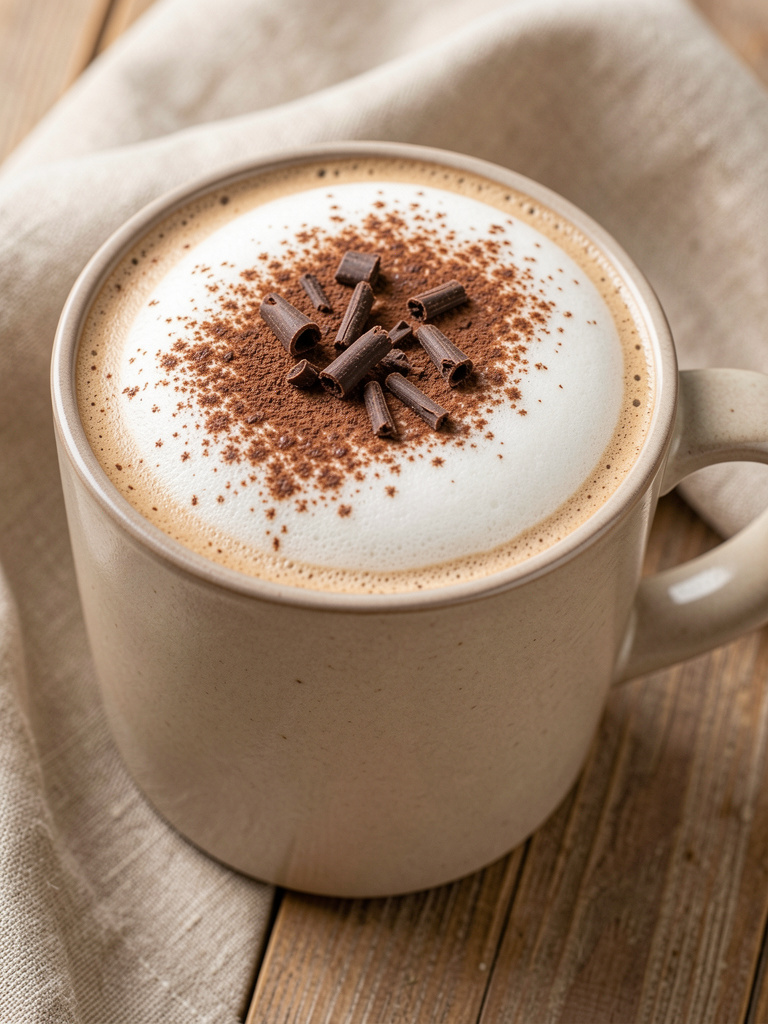
A simple garnish elevates perception: a fine cocoa dusting or a few chocolate shavings add aroma and contrast. Use a small sieve for even dusting.
Serve with a small spoon and a glass of water to cleanse the palate. Warm the mug briefly for a longer-lasting hot drink.
Final Thoughts
You now have a clear, repeatable method to make a cafe-quality mocha at home. Focus on fresh coffee, a smooth chocolate base, and milk texture for the best results.
Practice one ratio until it’s comfortable, then tweak milk type or chocolate to match your taste. Enjoy making and refining your perfect mocha.