How To Make Buttermilk From Milk At Home
You don’t need store-bought buttermilk to get that tangy, silky texture for baking or dressings.
You can turn everyday milk into buttermilk with two simple methods: a quick acid-thinned version or a cultured, tangier version.
This guide walks you step-by-step, with exact measures, times, temperatures, and what to look for so you get reliable results every time.
How To Make Buttermilk From Milk At Home
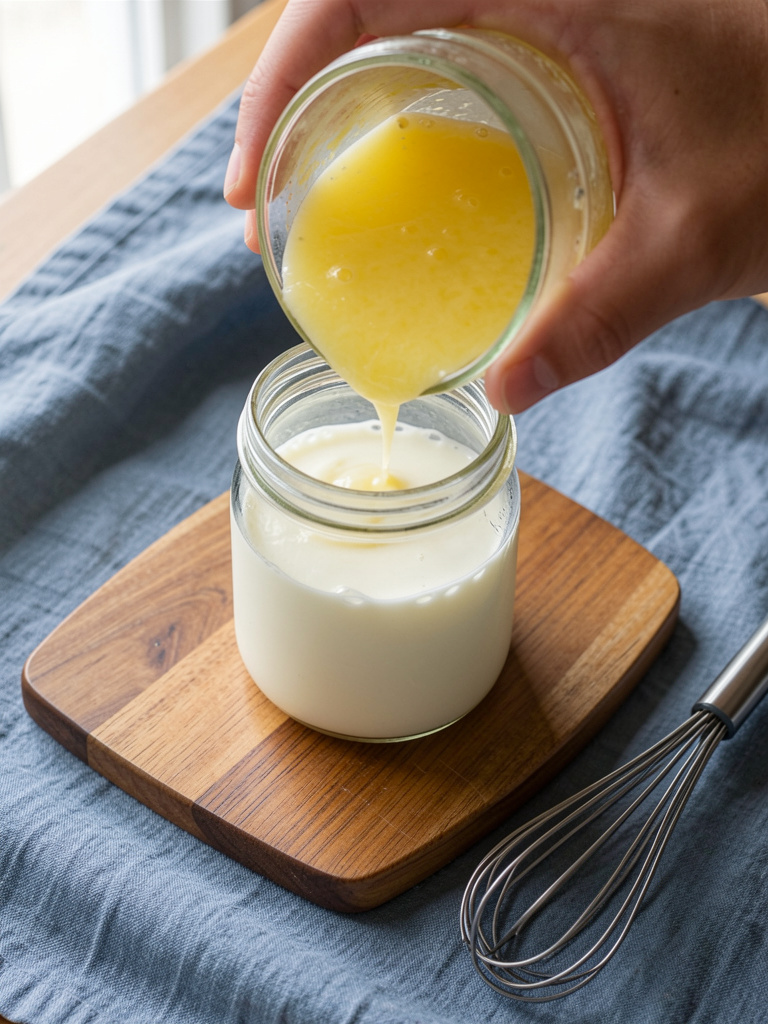
You’ll make two types of buttermilk from milk: a quick acid-set version (thin, tangy) and a cultured version (thicker, more complex tang).
Both are thickened, slightly tangy milks used where recipes call for buttermilk; texture and tang vary by method.
Ingredients
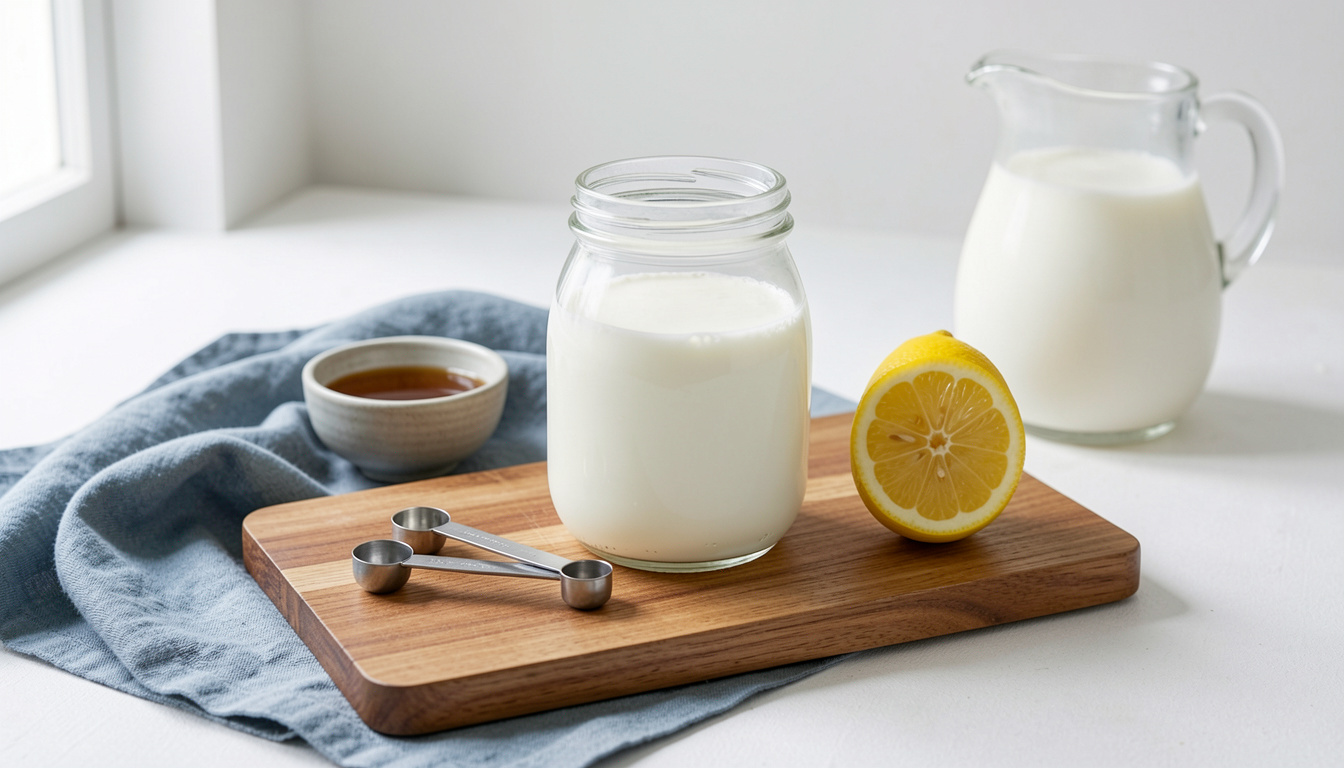
- Pasteurized milk (whole, 2%, or skim) — use room temperature for best results (1 cup / 240 ml per batch).
Slightly higher fat gives richer mouthfeel. - Acid option: fresh lemon juice or white vinegar — 1 tablespoon per 1 cup (15 ml).
Simple, fast acidifier. - Cultured option: plain cultured buttermilk or plain yogurt (with active cultures) — 2 tablespoons per 1 cup milk.
Acts as starter culture. - Optional: clean glass jar or bowl with lid, whisk or spoon, measuring spoons, thermometer (helpful for cultured method).
Step-By-Step Instructions
Quick Acid Method — Measure and Mix
Measure 1 cup (240 ml) room-temperature milk into a clean jar or bowl. Add 1 tablespoon (15 ml) lemon juice or white vinegar. Stir gently with a whisk for about 5 seconds to distribute the acid evenly.
Let the mixture sit at room temperature for 5–10 minutes. You’ll see slight curdling and a thicker appearance with small clumps — that visual cue tells you the milk has soured enough to mimic buttermilk for baking and dressings.
Quick Acid Method — Use and Store
After 5–10 minutes, give it a quick stir. The texture will be thinner than cultured buttermilk but tangy. Use immediately in recipes that call for buttermilk.
Store leftovers in the fridge in a sealed jar for up to 3–4 days. Keep pasteurized milk for food safety and discard if smell or appearance is off.
Cultured Method — Warm and Inoculate
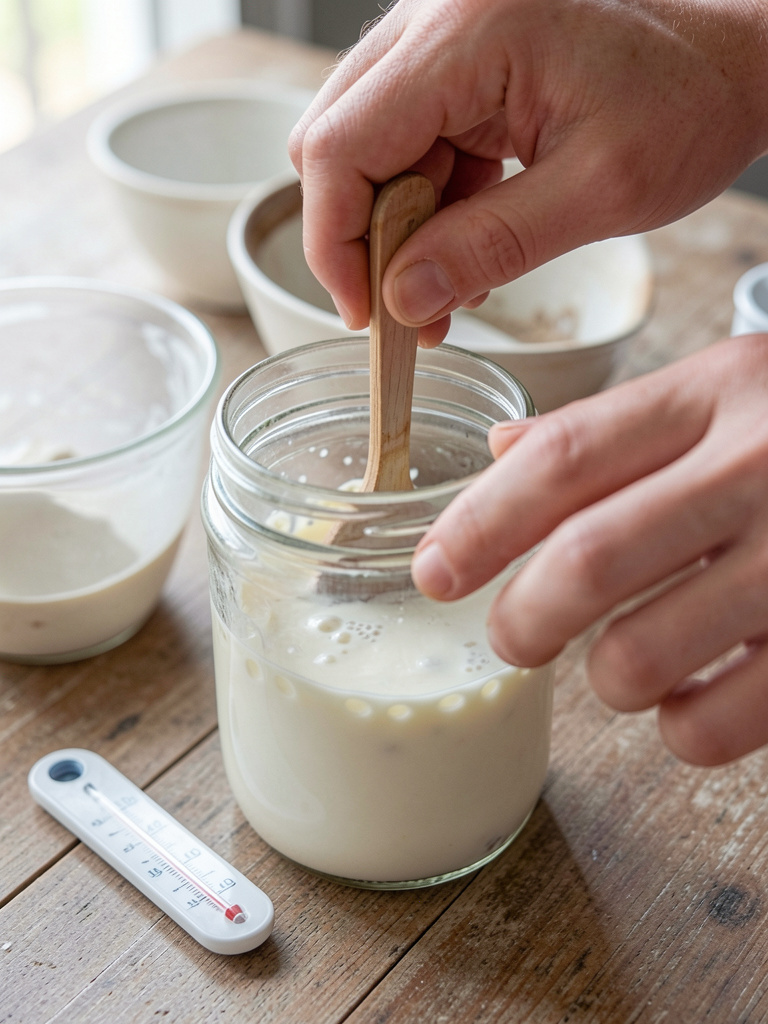
Warm milk gently to about 70–75°F (21–24°C) — room temperature is fine in a warm kitchen. Stir in 2 tablespoons (30 ml) of plain cultured buttermilk or yogurt (with active cultures) per 1 cup (240 ml) of milk. Use a clean jar and a clean spoon.
Cover the jar loosely and leave at stable room temperature (ideally 68–75°F / 20–24°C) for 12–24 hours. Check after 12 hours: you want a noticeable tang and slight thickening. Warmer temps speed fermentation; cooler temps slow it.
Cultured Method — Chill and Finish
When it’s tangy and lightly thickened, give it a gentle stir, seal the jar, and refrigerate for at least 2 hours to stop fermentation and let texture set. Cultured buttermilk will be thicker and have a layered, rich tang.
Refrigerated cultured buttermilk lasts 7–10 days. Always use clean utensils to avoid contamination.
Which Milk To Use
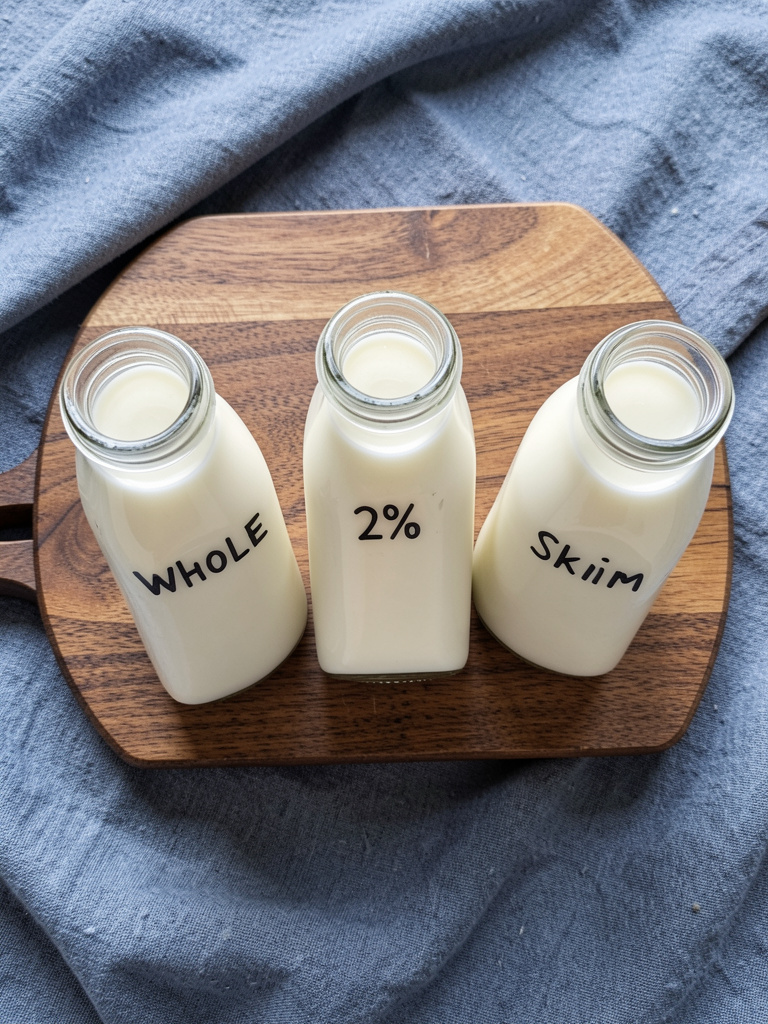
Whole milk gives the richest, creamiest homemade buttermilk with a fuller mouthfeel. If you prefer lighter results, 2% or skim will still sour properly but feel thinner.
Pasteurized milk is essential for safety; avoid raw milk unless you understand raw-milk safety and local regulations.
For culturing, ultra-pasteurized (UHT) milk sometimes struggles to thicken because proteins are altered; regular pasteurized milk is more reliable.
How Long It Keeps & Storage
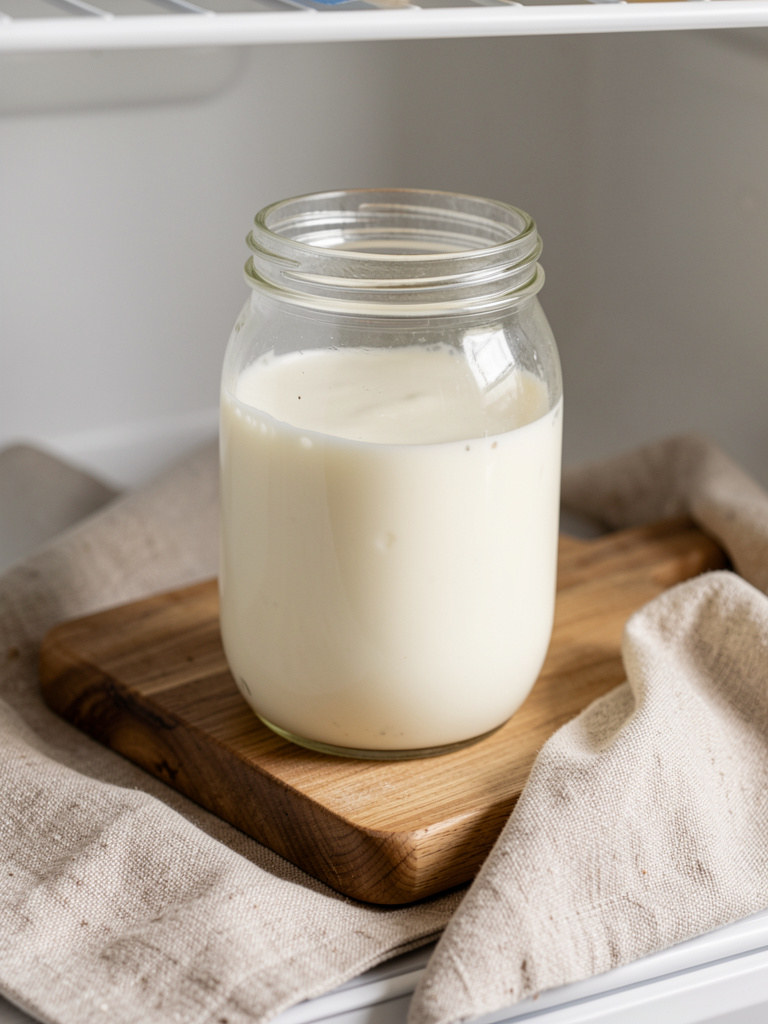
Quick acid buttermilk: store in a sealed jar in the fridge for up to 3–4 days. It stays food-safe but may continue to separate slightly; shake before use.
Cultured buttermilk: after refrigeration, it will keep 7–10 days. Flavor deepens with time; discard if off-smelling or mold appears.
Always use clean utensils and keep the jar sealed to minimize contamination and odor absorption.
Common Mistakes & Troubleshooting
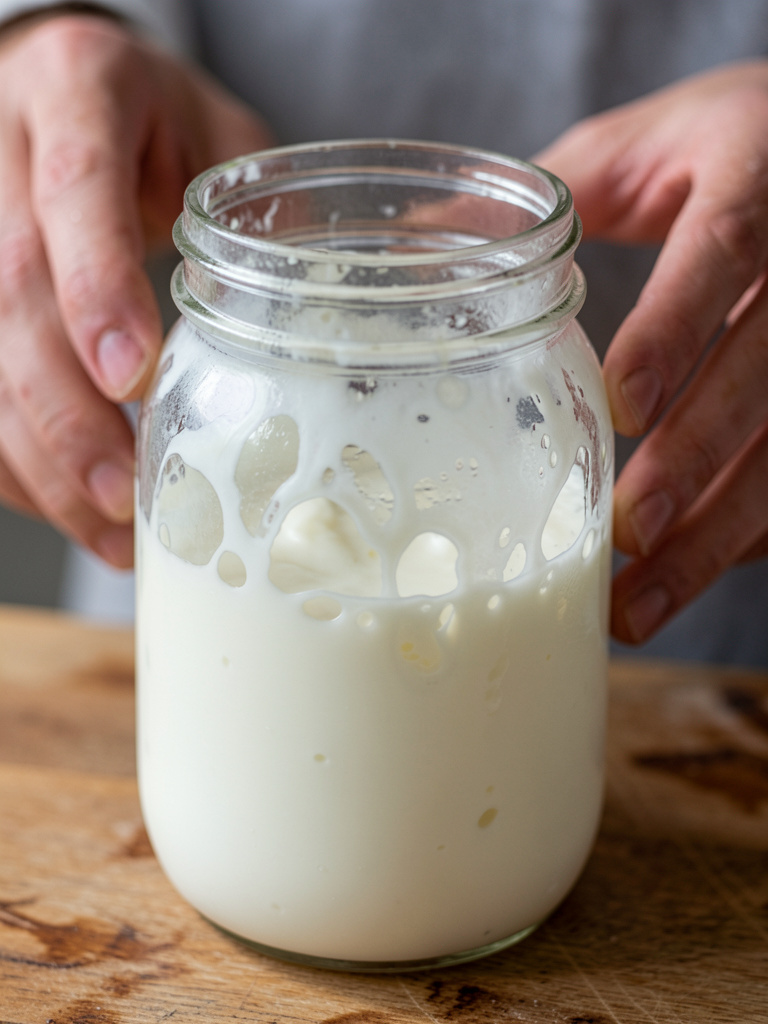
If the quick acid mix never thickens: check you used enough acid (1 tbsp per cup) and started with room-temp milk; very cold milk slows the reaction. Stir and wait the full 10 minutes.
If cultured batch stays runny: your starter may be weak or room temperature was too cool. Use a fresh cultured buttermilk/yogurt starter and aim for a warmer spot in the house (around 70–75°F / 21–24°C).
If smell is unpleasant (sulfuric or rancid) or visible mold appears: discard immediately. Trust your senses for safety.
Final Thoughts
Making buttermilk from milk at home is fast and dependable with the right proportions and timing.
Use the quick acid method for immediate needs and the cultured method when you want deeper tang and a thicker texture.
Follow the measures, watch the visual cues, and you’ll gain confidence after your first jar.