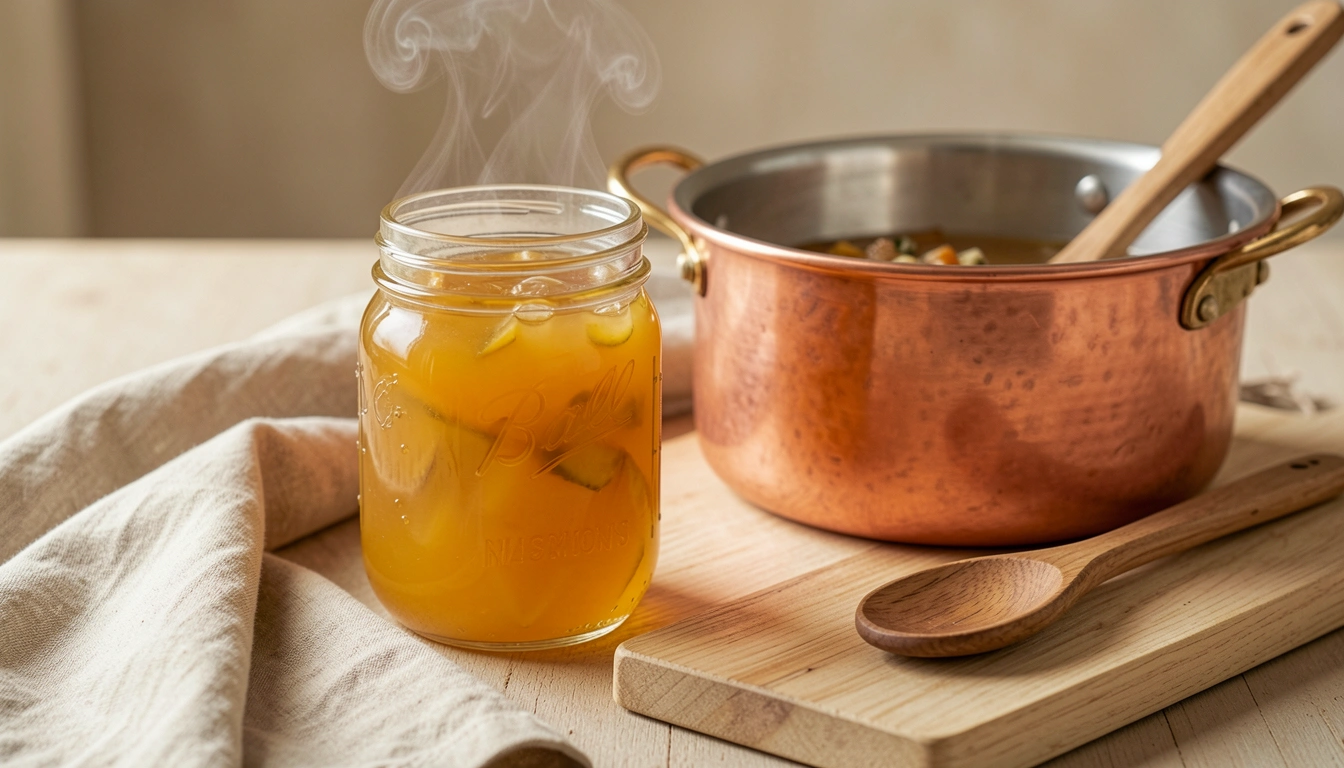
How To Make Bone Broth for Better Gut Health
You want a simple, reliable bone broth that supports digestion and soothes your gut. This guide walks you through making gelatin-rich, mineral-packed broth step by step.
You’ll learn which bones to use, exact timings, temperatures, and clear visual cues so you can reproduce nourishing broth every time.
No fluff—just the practical recipe and tips to get a gut-friendly result you can sip daily.
How To Make Bone Broth for Better Gut Health
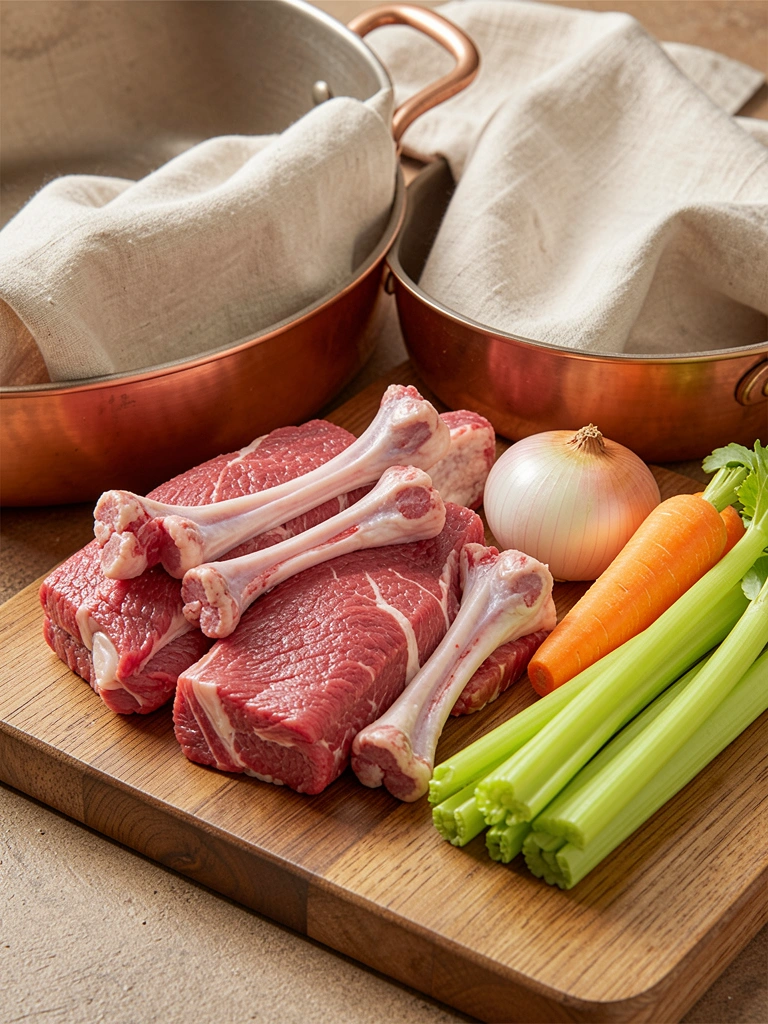
A long-simmered, clear broth made from marrow-rich bones and simple aromatics. The end result is a silky, savory liquid that chills to a gentle gel—high in gelatin and amino acids linked to gut support.
Ingredients
- 3–4 lb marrow-rich bones (beef knuckles, oxtail) or 2–3 lb chicken carcasses (or a mix) — choose joints and marrow for collagen.
- 1 large onion, quartered (no need to peel).
- 2 carrots, cut into large pieces.
- 2 celery stalks, cut into large pieces.
- 2 tbsp apple cider vinegar (helps draw minerals from bones).
- 2 bay leaves, 10 whole black peppercorns.
- 3 garlic cloves, smashed (optional).
- 2-inch piece fresh ginger (optional, supports digestion).
- 1–2 tsp sea salt (add later to taste).
- 12–16 cups cold filtered water (enough to cover bones).
- Tools: large heavy stockpot or slow cooker, roasting pan (optional), fine mesh strainer, large jar(s) for storage.
Step-By-Step Instructions
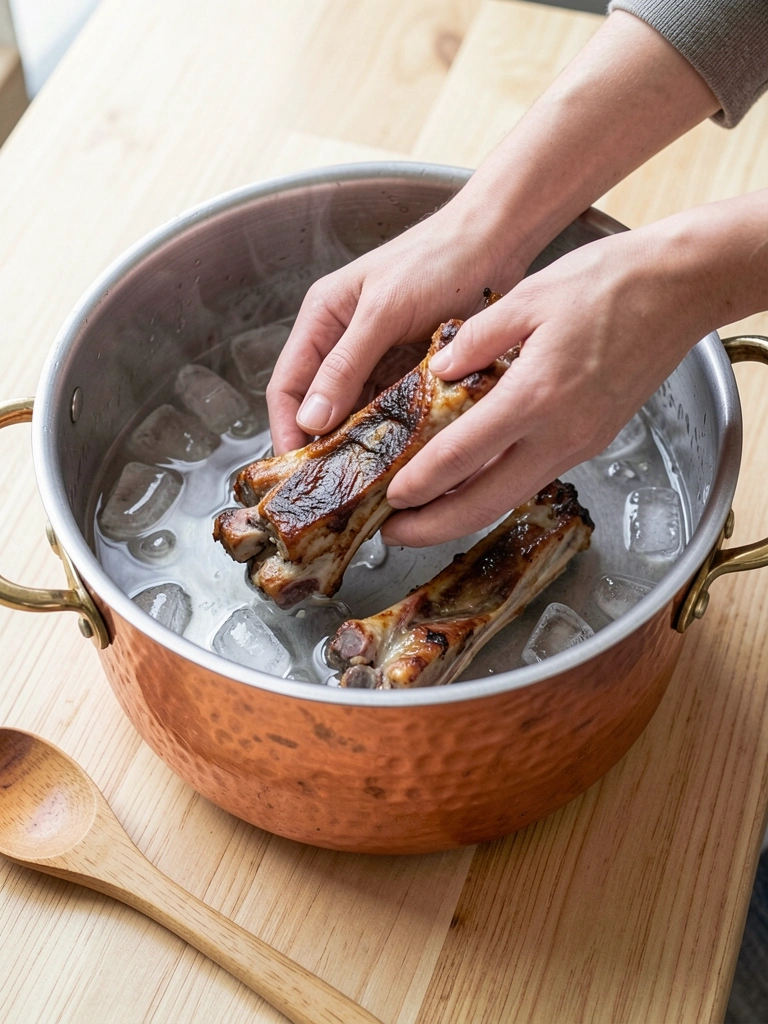
Roast the bones (for deeper flavor).
Preheat the oven to 425°F (220°C). Spread bones on a roasting pan and roast 25–35 minutes, turning once until golden-brown. Roasting concentrates flavor and improves color.
Roasting is optional for chicken bones (skip or roast 20 minutes). Use a roasting pan and oven mitts.
Prep aromatics and deglaze.
Roughly chop onion, carrots, and celery. Add them to the pot with roasted bones. Pour a little hot water or splash of vinegar on the roasting pan, scrape brown bits, and add to the pot—those bits add savory depth.
This step builds flavor without extra seasoning.
Add vinegar and cold water; rest.
Place bones and aromatics in your stockpot or slow cooker. Add 2 tbsp apple cider vinegar and cover with cold water (12–16 cups), leaving 1–2 inches headspace. Let sit 20–30 minutes before heating.
Acid helps pull minerals from the bones—this brief rest improves extraction.
Simmer low and slow.
Bring to a gentle simmer over medium, then reduce heat so the surface only barely moves (about 190–205°F if using a thermometer). Skim foam the first 30 minutes. Chicken: simmer 6–12 hours. Beef/ox: simmer 12–24 hours (up to 48 for max extraction).
Low heat prevents cloudiness and preserves gelatin. Use a lid slightly ajar; a slow cooker on low works well.
Strain, cool, and store.
Turn off heat and let cool briefly. Strain through a fine mesh sieve into jars. Chill until the fat rises and solidifies; remove fat if desired. A well-made broth will gel when refrigerated.
Store in refrigerator (up to 5 days) or freeze in portions. Reheat gently to serve.
Best Bones and Add-Ins for Gut Health
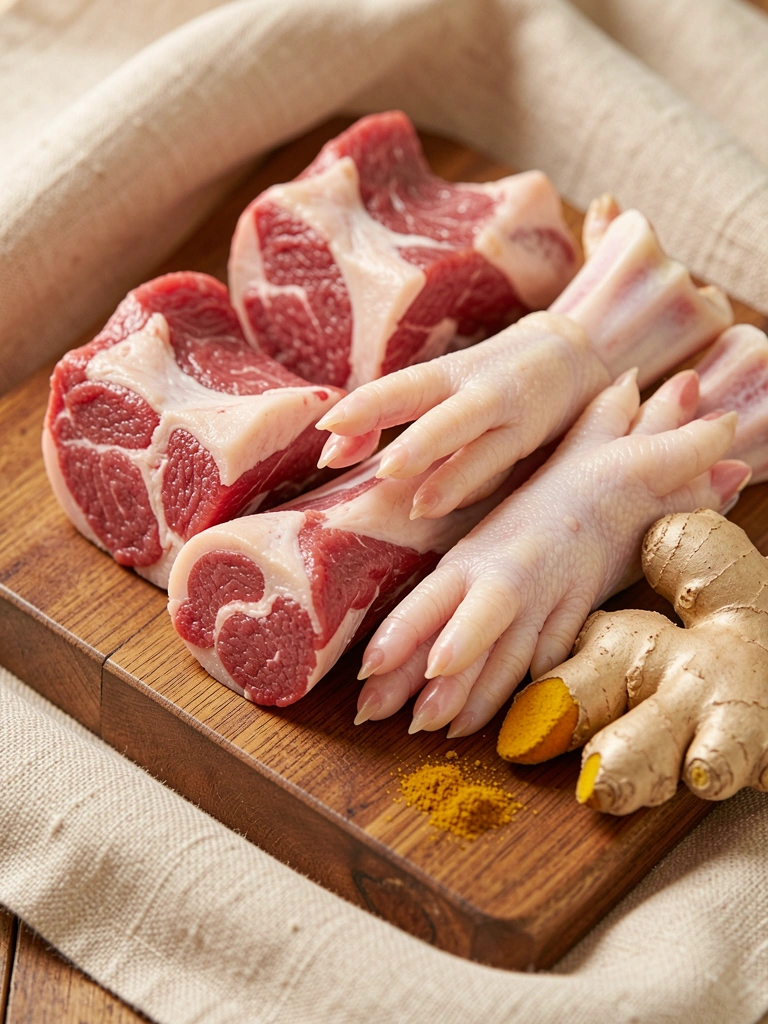
Choose bones high in connective tissue and marrow: knuckles, joints, oxtail, and chicken feet are top picks for gelatin. Marrow bones add minerals and mouthfeel.
Add gut-friendly aromatics: ginger and a small knob of turmeric for gentle anti-inflammatory support, and a couple garlic cloves for flavor. Keep vegetable additions simple—onion, carrot, celery.
Prefer grass-fed or pasture-raised bones when possible for cleaner flavor and nutrient profile, but any raw bones are fine if handled safely.
How Long to Simmer for Maximum Gelatin
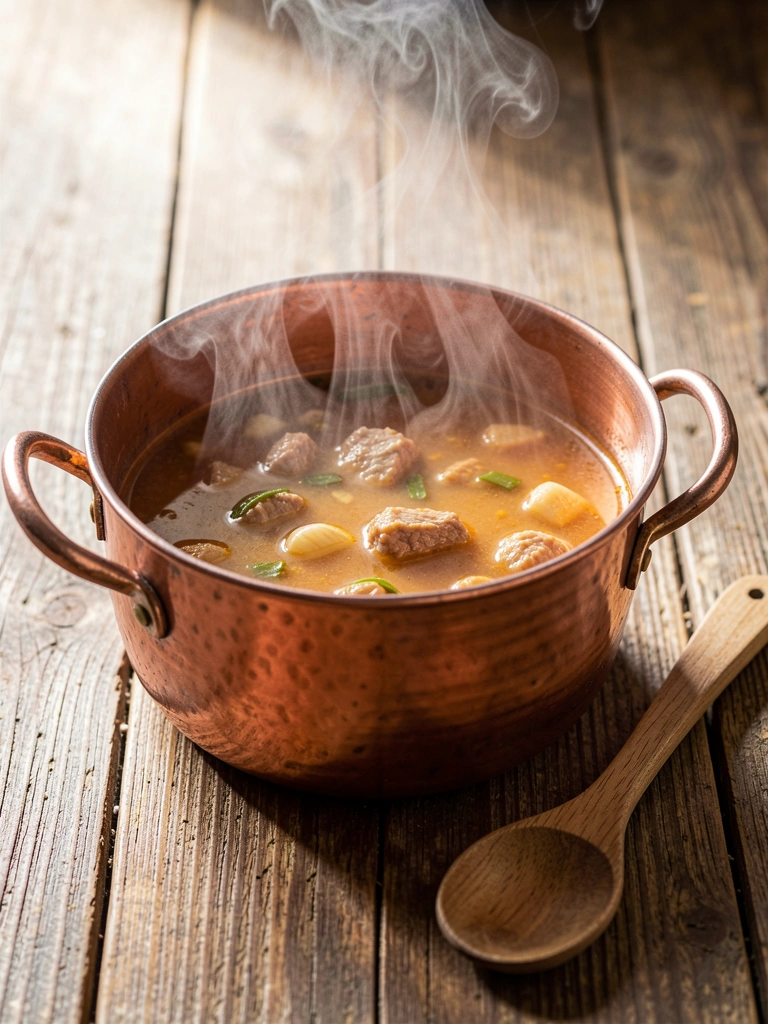
Gelatin extraction depends on bone type and time. Chicken bones tend to gel in 6–12 hours; beef, ox, and knuckle bones often need 12–24 hours. For the richest gel, simmer up to 48 hours on very low heat.
Keep the pot at a bare simmer—no rolling boil. Visual signs of readiness: amber color, rich aroma, and the broth thickens and becomes slightly syrupy before chilling.
If broth does not gel after chilling, it’s still nutritious—use it anyway.
Storing and Reheating Bone Broth Safely
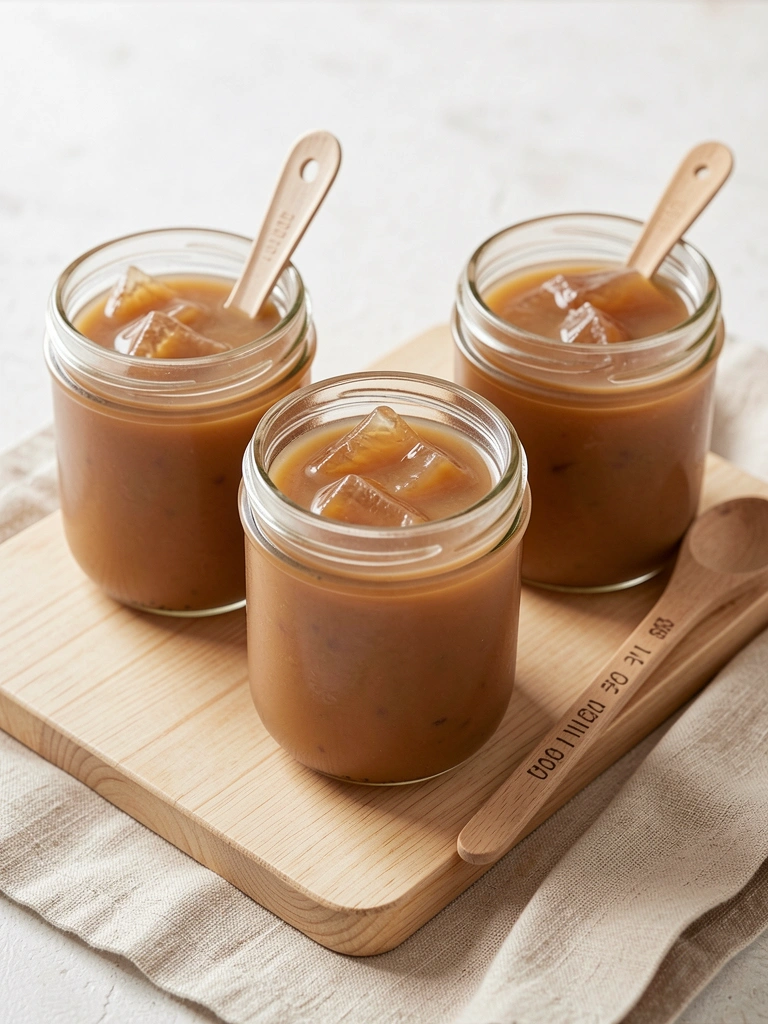
Cool quickly: divide hot broth into shallow containers and refrigerate within two hours. Refrigerated broth keeps 3–5 days; freeze in 1–2 cup portions up to 6 months.
When reheating, bring to a gentle simmer (not just warm) to ensure safety. Avoid repeatedly reheating the same portion—thaw once, reheat and consume.
Label jars with date and contents. Defrost in the fridge overnight for best texture.
How to Use Bone Broth for Gut Health
Start with 1 cup daily, either warm on its own or as a base for simple soups. Sipping between meals can be soothing and easier to digest than complex meals.
Use as the liquid in cooked grains, stews, or to poach vegetables—keeping seasonings gentle. Consistency over weeks is what offers the most supportive effect.
If you have specific health conditions or food sensitivities, introduce broth slowly and note how your digestion responds.
Final Thoughts
Making bone broth for gut health is simple: pick the right bones, simmer low and long, strain, and store properly. The gelled, savory broth you produce is easy to sip and incorporate daily.
With these exact steps and visual cues, you can consistently make nourishing broth that supports digestive comfort.