How to Froth Milk Without a Frother
You want creamy, cafe-style foam but don’t have a frother. You can still make velvet microfoam or light cappuccino bubbles with common kitchen tools.
This guide shows safe temperatures, simple methods, and quick fixes. Follow short steps and clear cues so your milk turns out right every time.
How to Froth Milk Without a Frother
You’re making hot, aerated milk with a smooth, drinkable foam. Expect silky microfoam for lattes or light, airy foam for cappuccinos. Texture depends on milk type and frothing method.
Step-By-Step Guide
1. Choose and Measure Your Milk
Use cold milk straight from the fridge. Whole and 2% give the creamiest microfoam; oat and barista-style plant milks also foam well. Measure 4–6 ounces per drink so there’s room to expand. The headspace prevents spills and helps aeration.
Why it matters: Starting cold makes heating control easier. Too much milk leaves no room for foam; too little gives an overly airy result.
2. Heat to the Right Temperature
Warm milk to 140–150°F (60–65°C). Heat gently on the stove in a small saucepan over low-medium heat or microwave in 20-second bursts, stirring between each. Aim for warm but not boiling—tiny steam and a slight skin forming at the edge are visual cues.
Why it matters: Proper temperature stabilizes foam and keeps milk sweet. Overheating breaks down proteins and causes flat or split foam.
3. Jar Shake Method (Easy, No Tools)
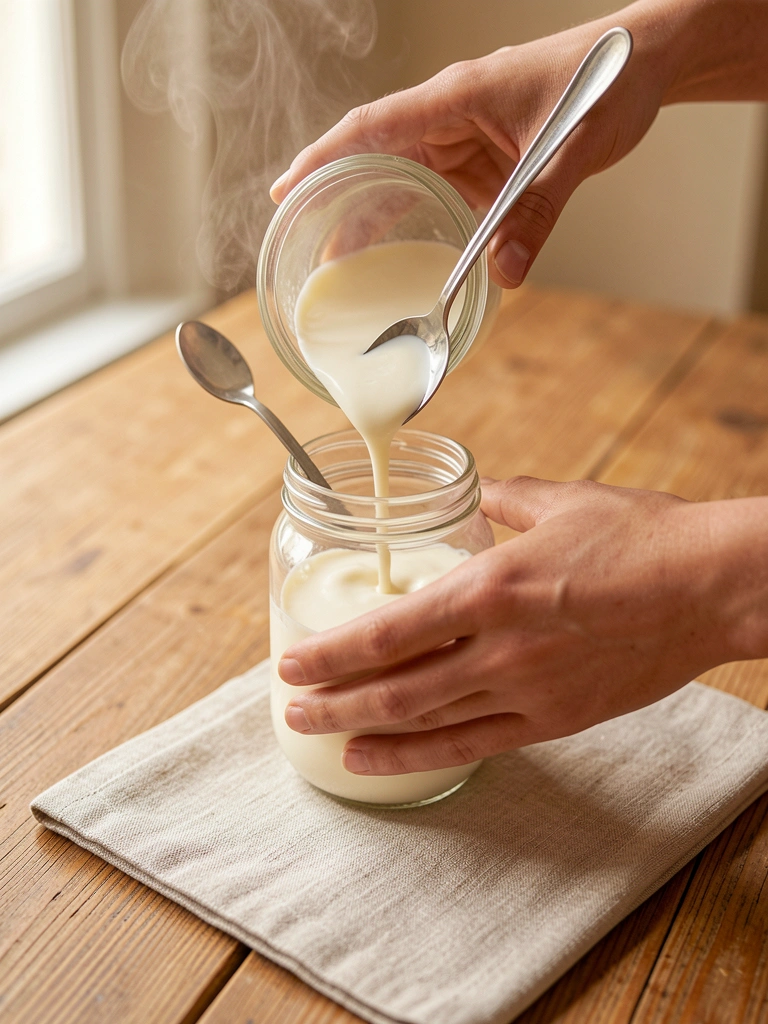
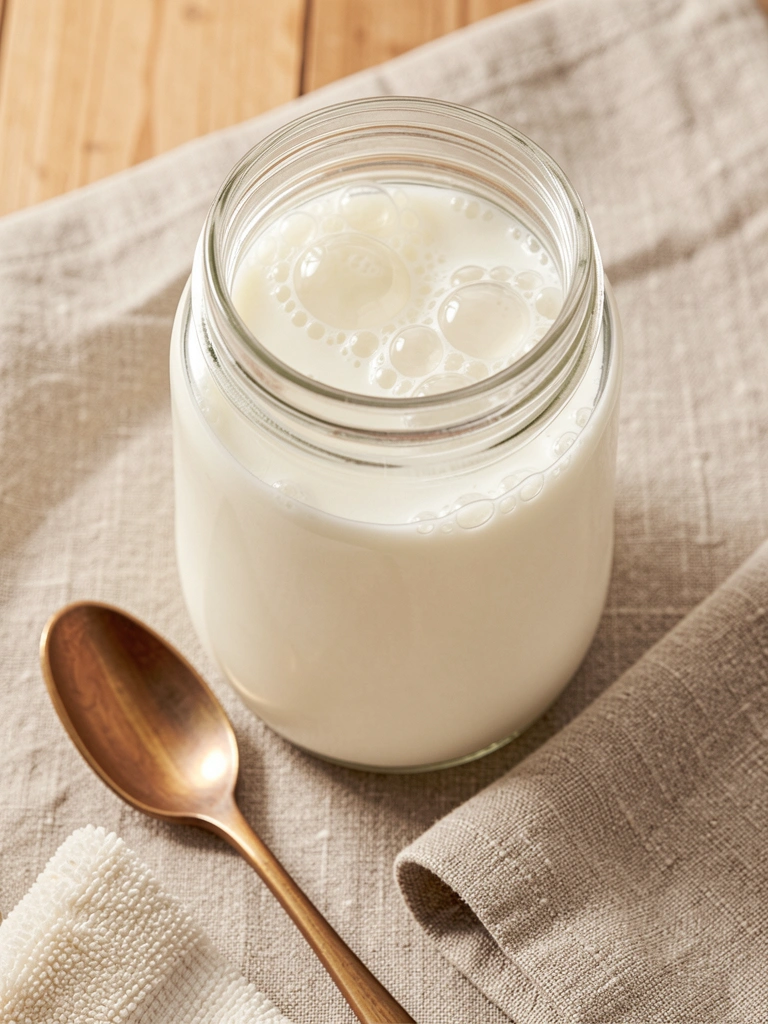
Pour warmed milk into a clean jar with a tight lid, filling it one-third full. Seal and shake vigorously for 20–30 seconds until frothy and doubled in volume. Remove the lid and tap the jar to settle large bubbles, swirling gently to refine texture.
Why it matters: Shaking forces air through milk quickly. It creates bigger, lighter bubbles—great for cappuccinos. Use a fine mesh strainer or spoon to hold back large bubbles if you want silkier foam.
4. French Press Method (Best Microfoam)
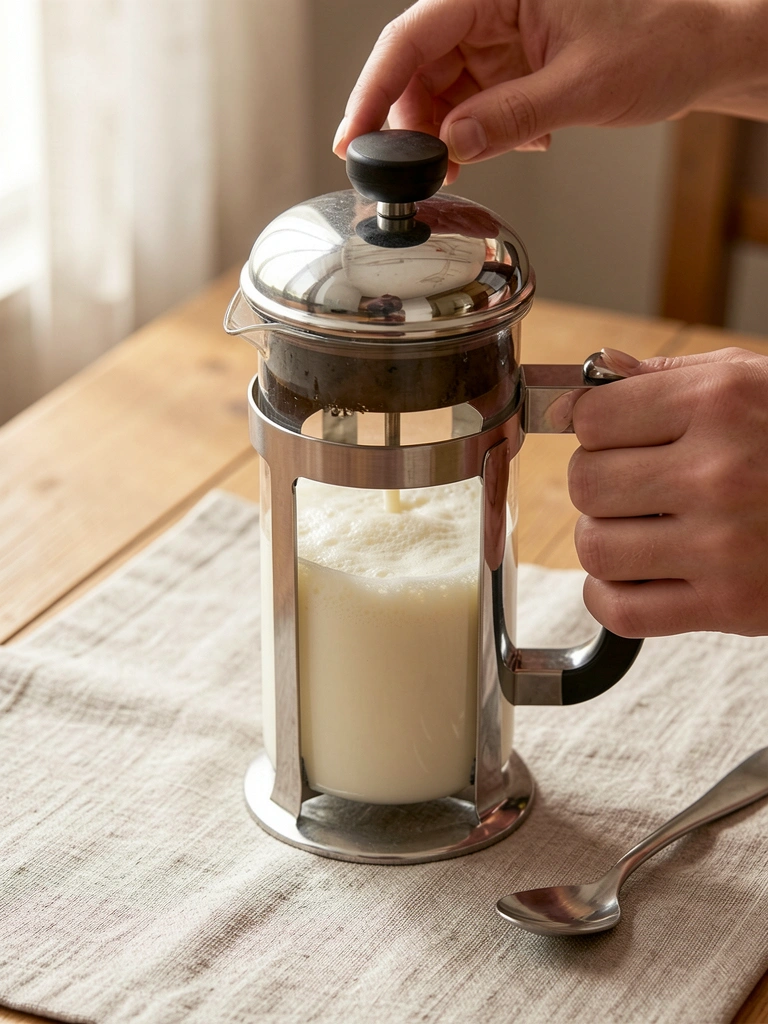
Pour heated milk into the French press. Pump the plunger up and down quickly for 15–30 seconds. Stop when foam is creamy and doubled. Pour slowly, holding back foam with the plunger if you prefer steamed milk first, then spoon foam on top.
Why it matters: The press’s mesh creates consistent small bubbles. This method gives latte-style microfoam without electric frothers.
5. Whisk or Immersion Blender (Fast, Versatile)
Use a small hand whisk for 30–60 seconds in a bowl, or an immersion blender for 10–20 seconds, keeping the tool just below the surface to incorporate air. Watch for a glossy, thick texture. Pour and tap to remove large bubbles before serving.
Why it matters: Whisks and blenders create fine foam quickly. Immersion blenders give the most consistent result if you want silky microfoam.
Best Milk Types For Frothing Without a Frother
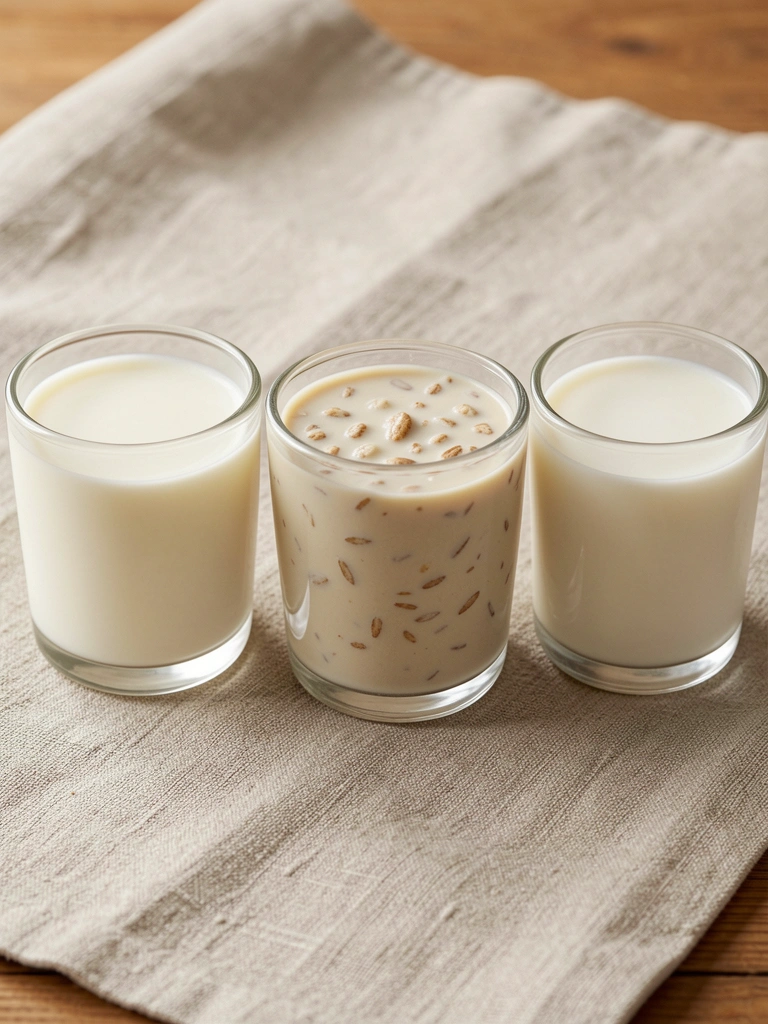
- Whole milk: Rich, stable microfoam and slightly sweet.
- 2% milk: Good balance—lighter but still creamy.
- Oat barista milk: Excellent for plant-based lattes; foams into smooth microfoam.
- Almond and soy: Can foam but textures vary; choose "barista" labeled versions when possible.
Small adjustments: Colder milk and higher fat increase stability. For plant milks, shake the carton before heating to recombine emulsifiers.
Common Mistakes And Quick Fixes
- Overheating: Milk that’s too hot tastes flat. Fix: Cool for 30–60 seconds and whisk gently to revive foam.
- No foam: Likely from old milk or too-high fat in some plant milks. Fix: Use colder milk, try a French press or immersion blender.
- Big bubbles: Shaking often creates large bubbles. Fix: Tap the container to pop them, then swirl or spoon to smooth.
Keep tools clean. Residue or grease prevents foam formation. Rinse and dry before starting.
Serving Temperature And Texture Targets
Aim to serve milk at about 140–150°F (60–65°C). Use a thermometer if you’re unsure. For latte texture, target glossy microfoam that pours smoothly. For cappuccino, aim for thicker, airy foam that sits on top.
Finish by swirling milk to integrate texture. Pour over espresso or chocolate and spoon foam as needed. Small taps on the counter remove trapped large bubbles.
Final Thoughts
You don’t need a frother to make great foam. Use the method that fits your tools and milk choice, and practice the temperature and timing cues.
A French press or jar gives reliable results. With simple tweaks, you’ll get cafe-style milk at home.