How To Make Lemon Water
You want a bright, simple glass of lemon water — refreshing, easy, and reliable.
This guide walks you through exactly how to make lemon water: measuring, cutting, juicing or infusing, and getting the temperature right. You’ll avoid common mistakes and get the flavor you actually want.
No fluff. Just clear steps and tips so you can make lemon water every morning or anytime you need a citrus lift.
How To Make Lemon Water
Lemon water is a lightly flavored, slightly tart drink made by mixing fresh lemon juice or slices with plain water. Expect clean citrus aroma, a gentle tang, and a refreshing, drinkable finish.
Ingredients
- 1 fresh lemon (organic preferred) — about 2–3 tablespoons juice. Room temperature lemons yield more juice.
- 8–16 fl oz (240–480 ml) water — use cold, room-temperature, or warm depending on preference.
- Ice (optional) — for chilled lemon water.
- Optional: a thin lemon slice or two for garnish or mild infusion.
Step-By-Step Instructions
1. Choose and prepare the lemon
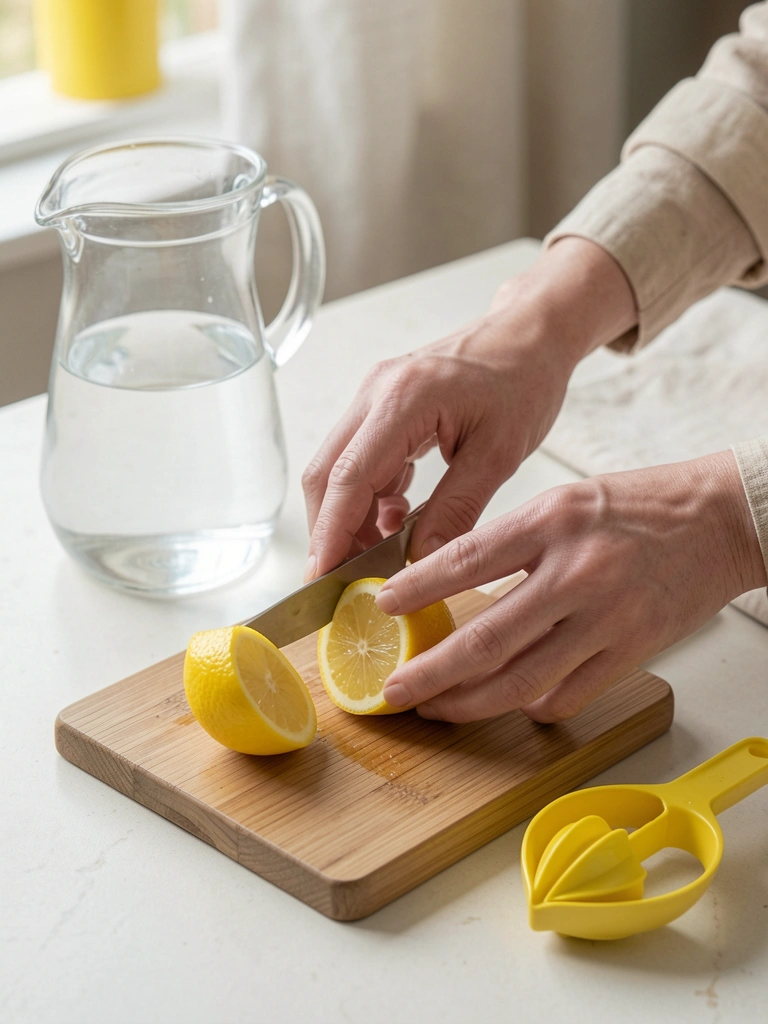
Pick firm, bright lemons without soft spots. Rinse under cool water to remove residues. Roll the lemon on the counter under your palm for 20–30 seconds to loosen juice — this increases yield without bruising.
Use a sharp paring knife and a small cutting board. Cut in half across the equator (not lengthwise) to expose more juice.
2. Juice the lemon
For one serving (8 fl oz / 240 ml), squeeze half a lemon (about 1–1.5 tablespoons). For 16 fl oz (480 ml), use the juice of one whole lemon (2–3 tablespoons). Use a handheld reamer or citrus press for easier extraction and fewer seeds.
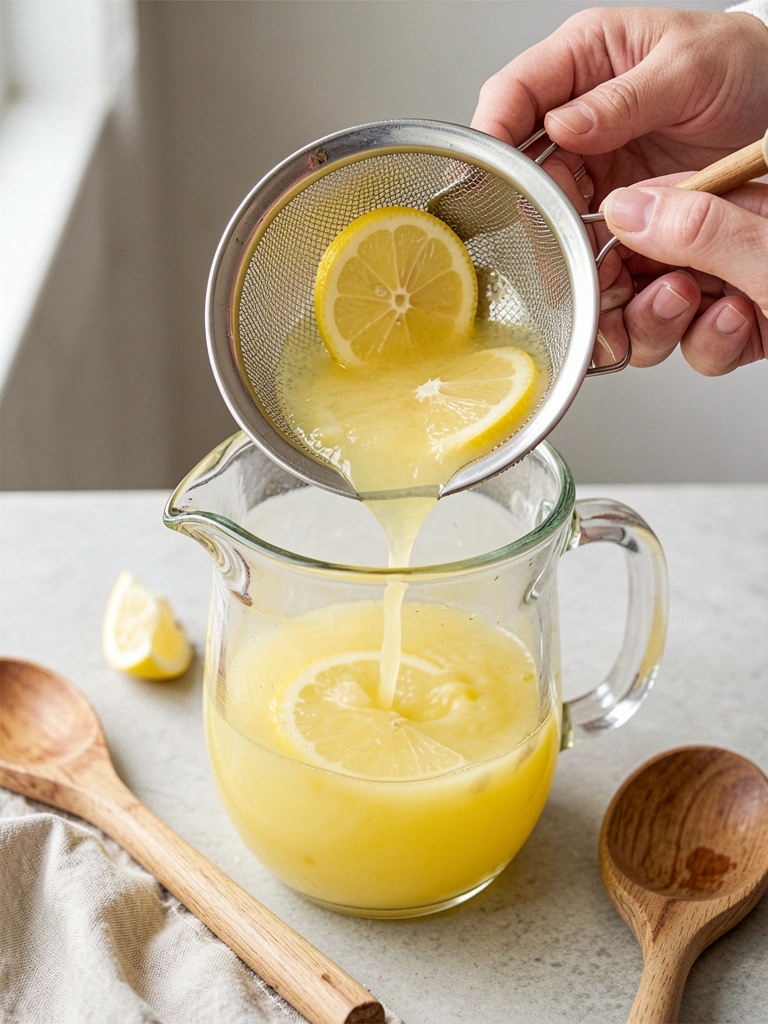
If you prefer no pulp, strain the juice with a fine-mesh strainer into a measuring cup or pitcher. Visual cue: pulp-free juice looks clear and slightly cloudy.
3. Combine with water
Pour the measured water (cold, room temp, or warm) into your glass or pitcher. Add the lemon juice, stir with a spoon for 10–15 seconds to mix evenly. Taste and adjust: add more water to mellow, more lemon to brighten.
Temperature affects perception: cold mutes acidity slightly; warm highlights aroma.
4. Optional infusion and serving
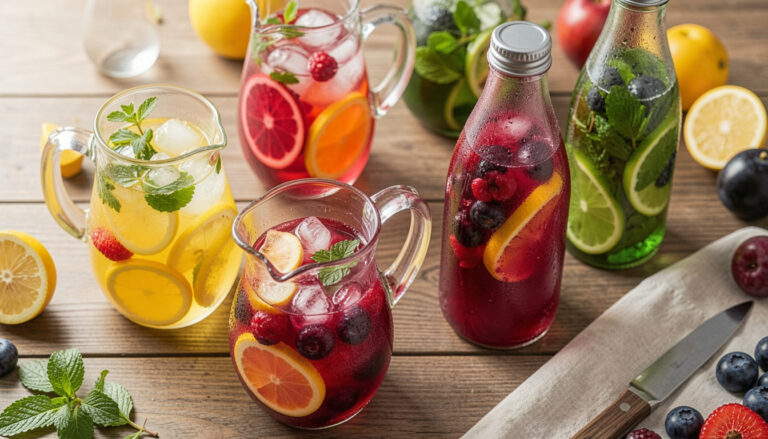
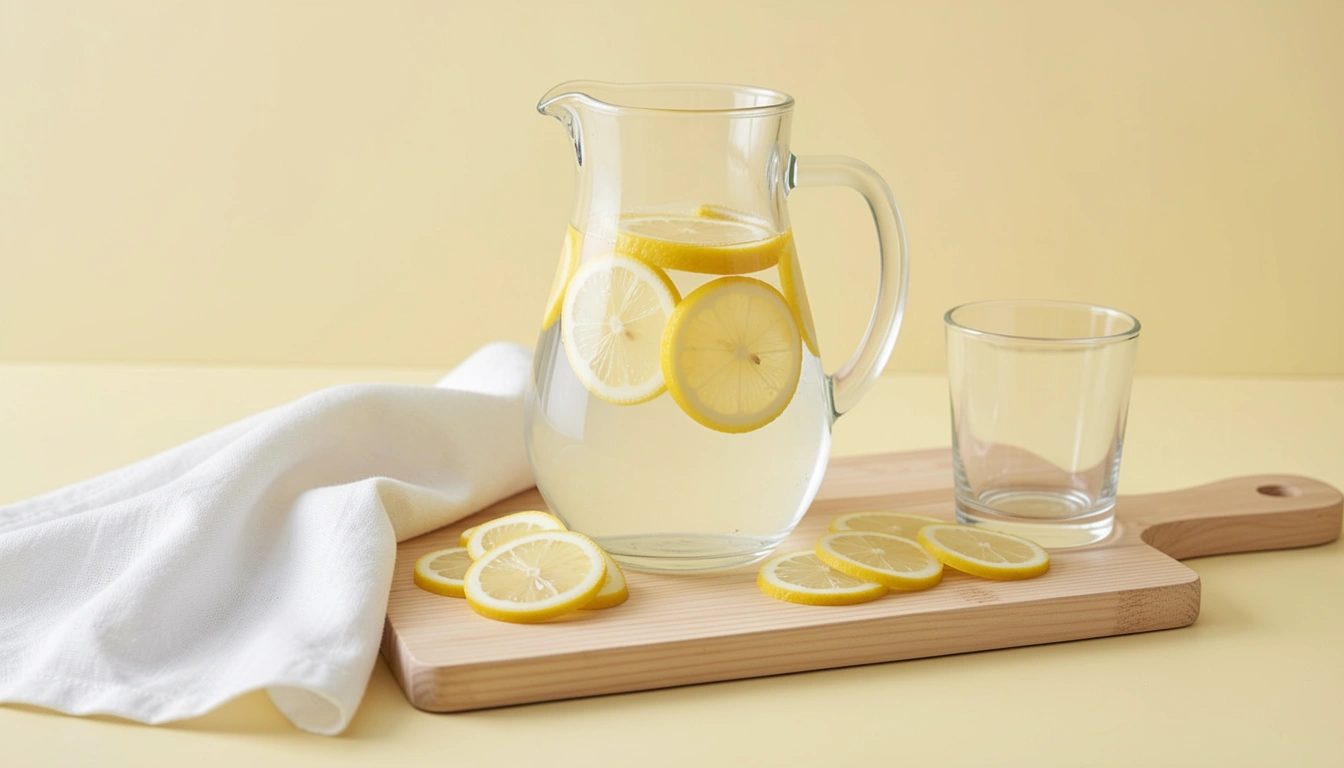
For a light infusion, add 3–4 thin lemon slices to a pitcher and rest for 10–30 minutes in the fridge. For immediate drink, serve over ice. Garnish with a thin wheel on the rim.
Use a clear glass or carafe to show color and judge strength visually. Discard after 24–48 hours for best freshness.
How Much Lemon To Use
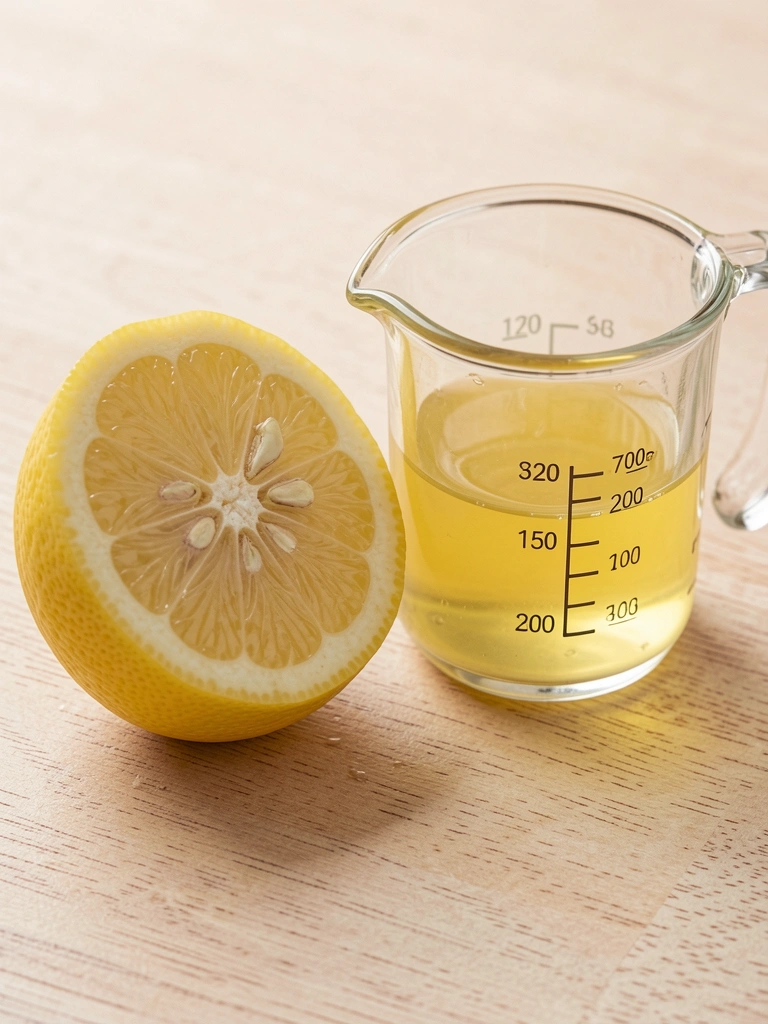
A good starting ratio is half a lemon per 8 fl oz (240 ml) of water. That yields a balanced tang without overpowering.
If you like stronger flavor, use the juice of one lemon per 16 fl oz (480 ml). For very light flavor, use 1–2 teaspoons per cup.
Adjust by tasting. Lemons vary — larger or juicier fruit changes the amount, so measure by flavor rather than strict counts.
Best Water Temperature
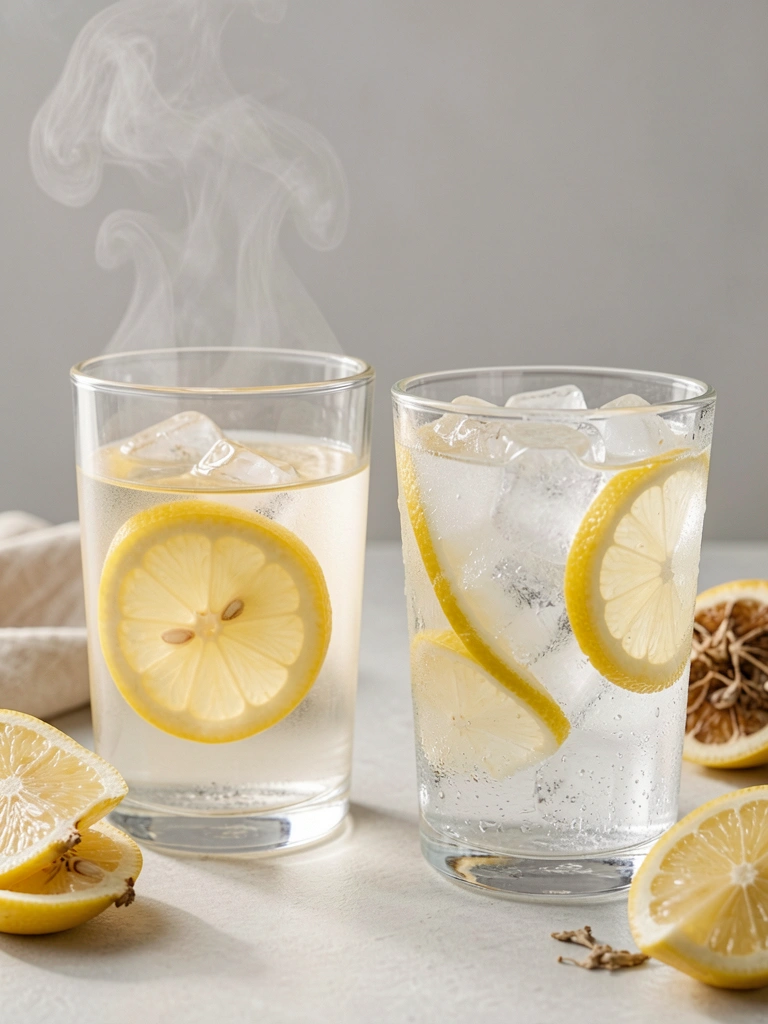
Cold lemon water is crisp and refreshing. Use chilled water or add ice; this mutes acidity and makes the drink more thirst-quenching.
Warm lemon water (about 120–140°F / 49–60°C) enhances aroma and feels soothing. Avoid boiling water directly on lemon juice — very hot water can taste flat and may slightly alter vitamin C.
Room-temperature water is the most neutral and fast to prepare.
Make-Ahead and Storage
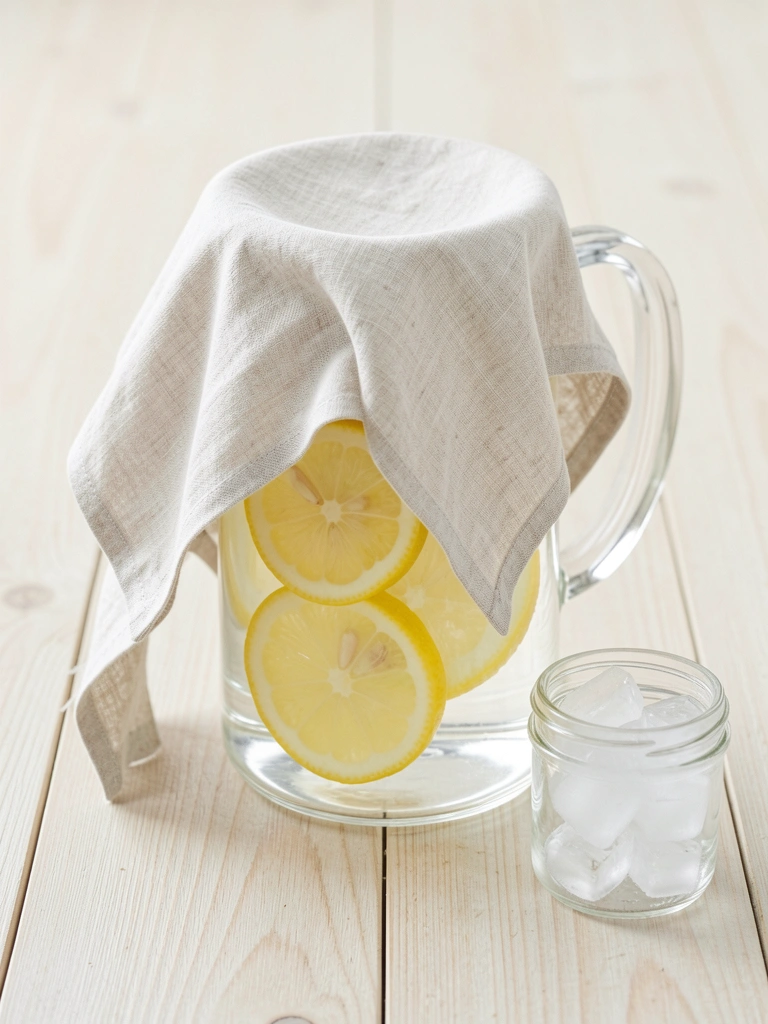
Store lemon water in a sealed pitcher or jar in the fridge for up to 24–48 hours. After that, flavor and freshness decline and bitterness can develop.
If you prefer infused slices, remove them after 12–24 hours to avoid bitterness from rind oils. Label with time made if you prepare several batches.
For single servings, keep lemon juice in a small sealed container up to 2–3 days in the fridge and add to water when ready.
Common Mistakes to Avoid
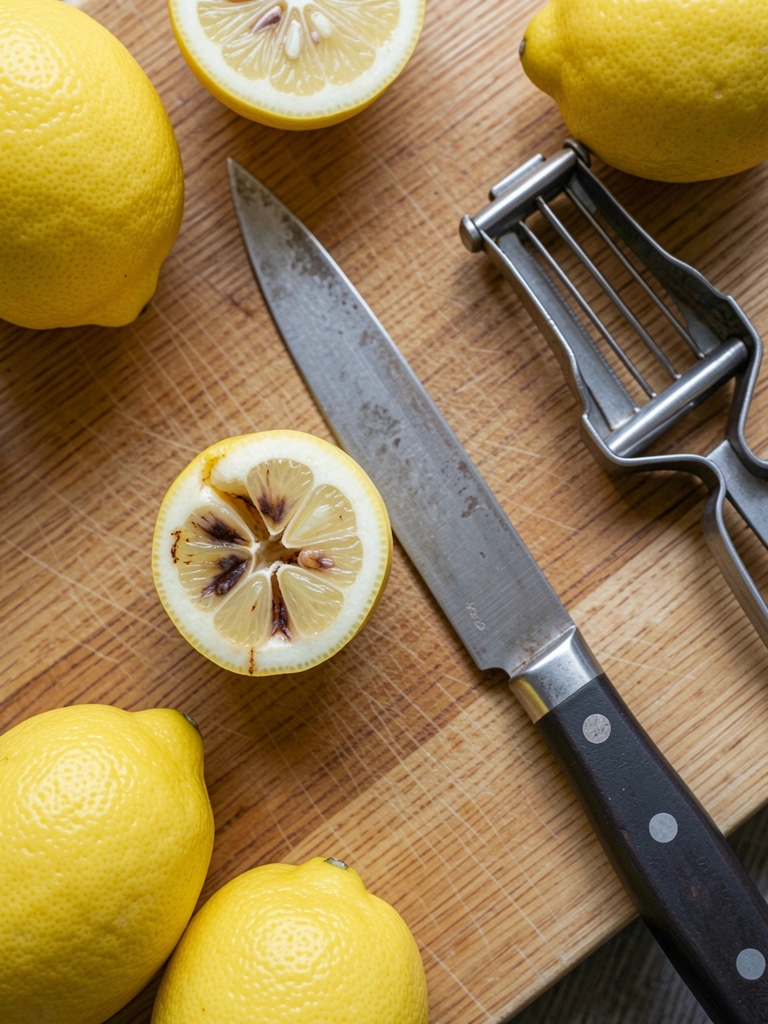
Using boiling water directly over lemon juice creates a dull taste. Let hot water cool to 120–140°F before adding juice. Use a thermometer or let boiled water rest 2–3 minutes.
Over-squeezing rind oil adds bitterness. Stop squeezing once you’ve extracted the juice and avoid pressing the peel.
Relying on bottled lemon juice changes flavor — fresh juice is brighter and cleaner.
Final Thoughts
Making lemon water is fast, forgiving, and easy to personalize. Use the ratios and temperature tips here to get a bright cup you enjoy.
Practice tasting and adjusting. Once you find your preferred balance, lemon water becomes an effortless, refreshing habit.