How to Make Herbal Tea for Digestion
You want gentle, reliable relief after a heavy meal or bloating. This guide shows exactly how to make herbal tea for digestion, step by step.
You’ll learn measured herb ratios, correct water temperature, steep times, and simple serving cues. No guessing—just clear actions that deliver a soothing, aromatic infusion.
How to Make Herbal Tea for Digestion
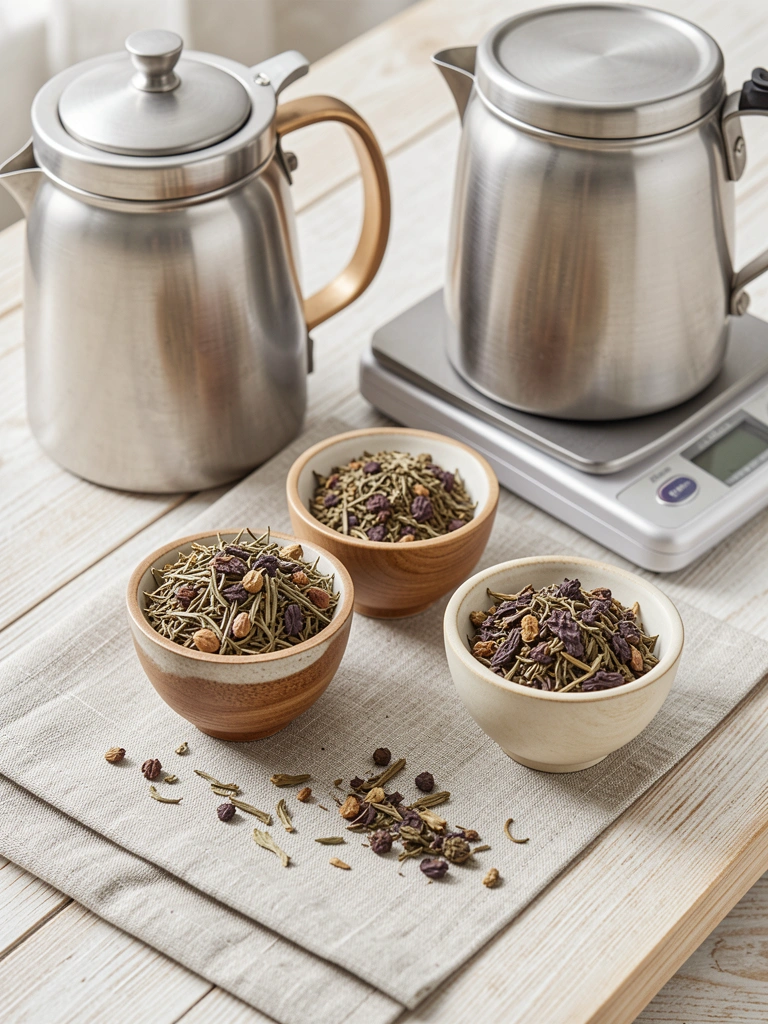
This is a warm herbal infusion for calming digestion. Expect a light-to-medium body, fresh herb aroma, and a mildly spicy, minty or floral finish depending on herbs you choose.
Ingredients
- 4 cups (1 liter) fresh filtered water — for a clean taste and proper extraction.
- 1 tbsp dried peppermint (or 6–8 fresh leaves) — cooling and eases bloating.
- 1 tbsp dried chamomile (or 2 tsp if blended) — soothing and gentle on the stomach.
- 1 tsp fennel seeds (lightly crushed) — helps gas and cramping.
- 1 inch fresh ginger, sliced thin (or 1 tsp dried) — warms and stimulates digestion.
- Optional: 1 tsp honey or a slice of lemon — for taste, added after steeping.
- Tools: kettle, glass teapot or heatproof jar, mesh strainer or infuser, measuring spoons, wooden spoon.
Step-By-Step Instructions
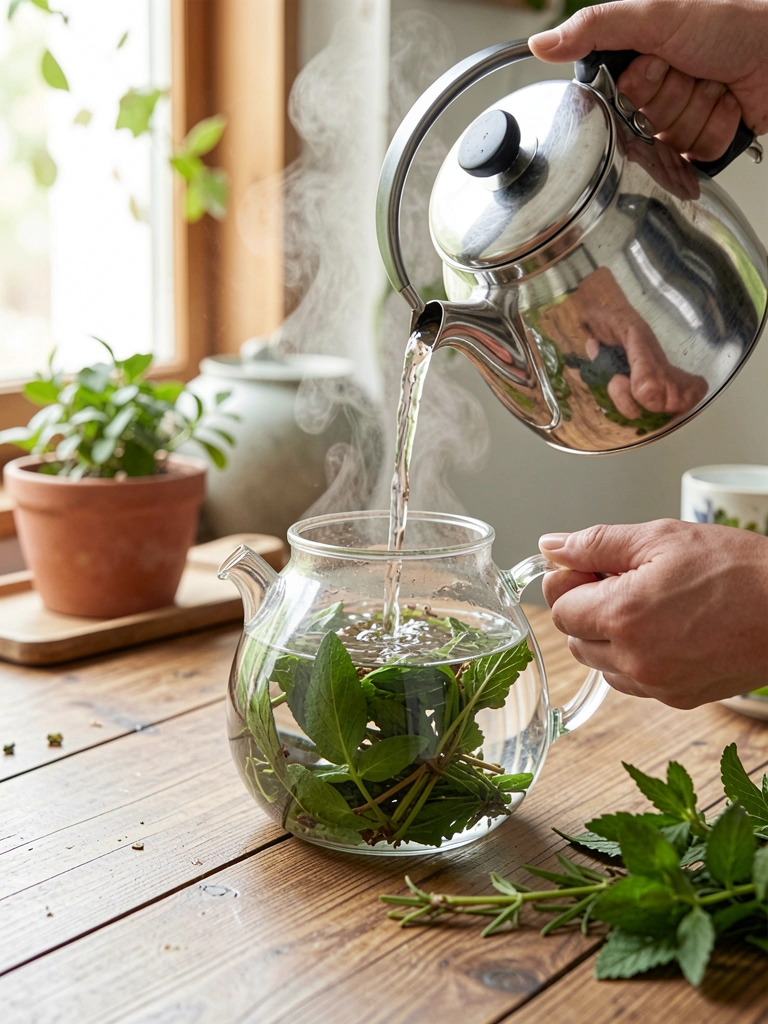
Prepare and measure the herbs
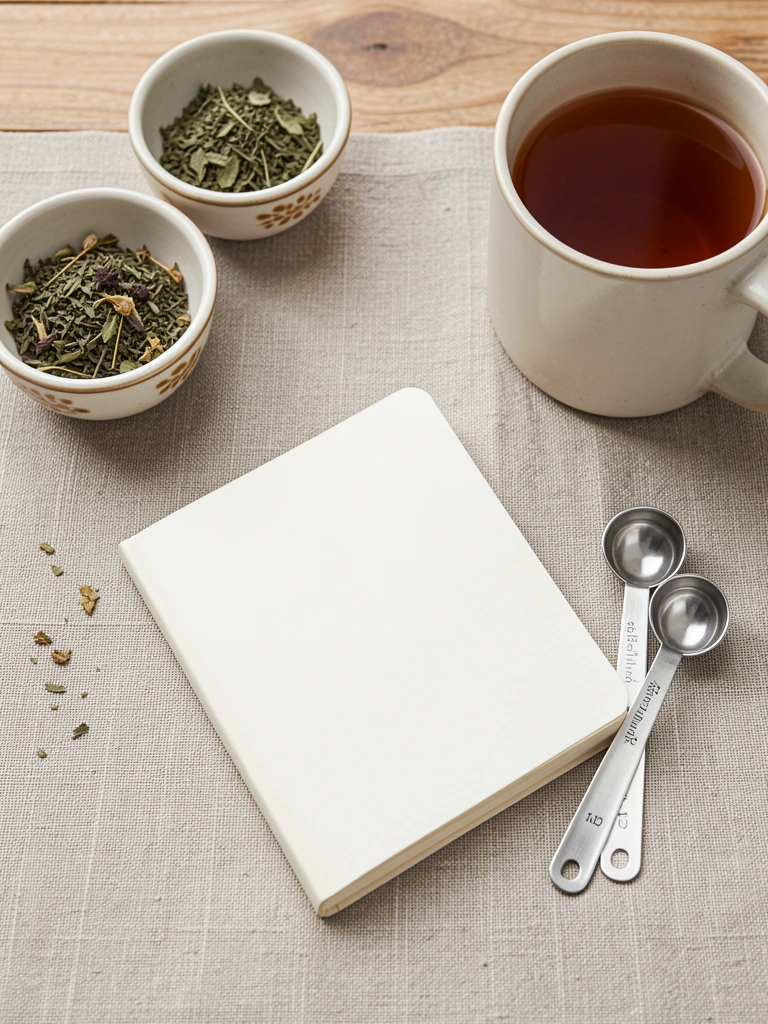
Measure herbs into a small bowl or directly into an infuser. If using fennel seeds, crush them lightly with the back of a spoon to release oils. Fresh ginger should be thinly sliced so flavor extracts evenly.
This prep ensures consistent flavor and effective extraction. Use a kitchen scale for precision if you want repeatable results.
Heat the water to the right temperature
Bring water to a gentle boil (212°F / 100°C). If you’re using mostly chamomile, let the water rest 30 seconds after boiling to avoid dulling the floral notes. For ginger-forward blends, full boiling is fine.
Temperature affects which oils and compounds extract. Proper heat gives balanced flavor and better digestive benefit.
Combine herbs and pour
Place herbs in a teapot or infuser. Pour the hot water directly over the herbs to awaken volatile oils. Use a 1:4 herb-to-water ratio listed in ingredients for a full-strength cup.
Pouring over the herbs immediately releases aroma and active compounds. This step starts the steeping extraction.
Cover and steep for the right time
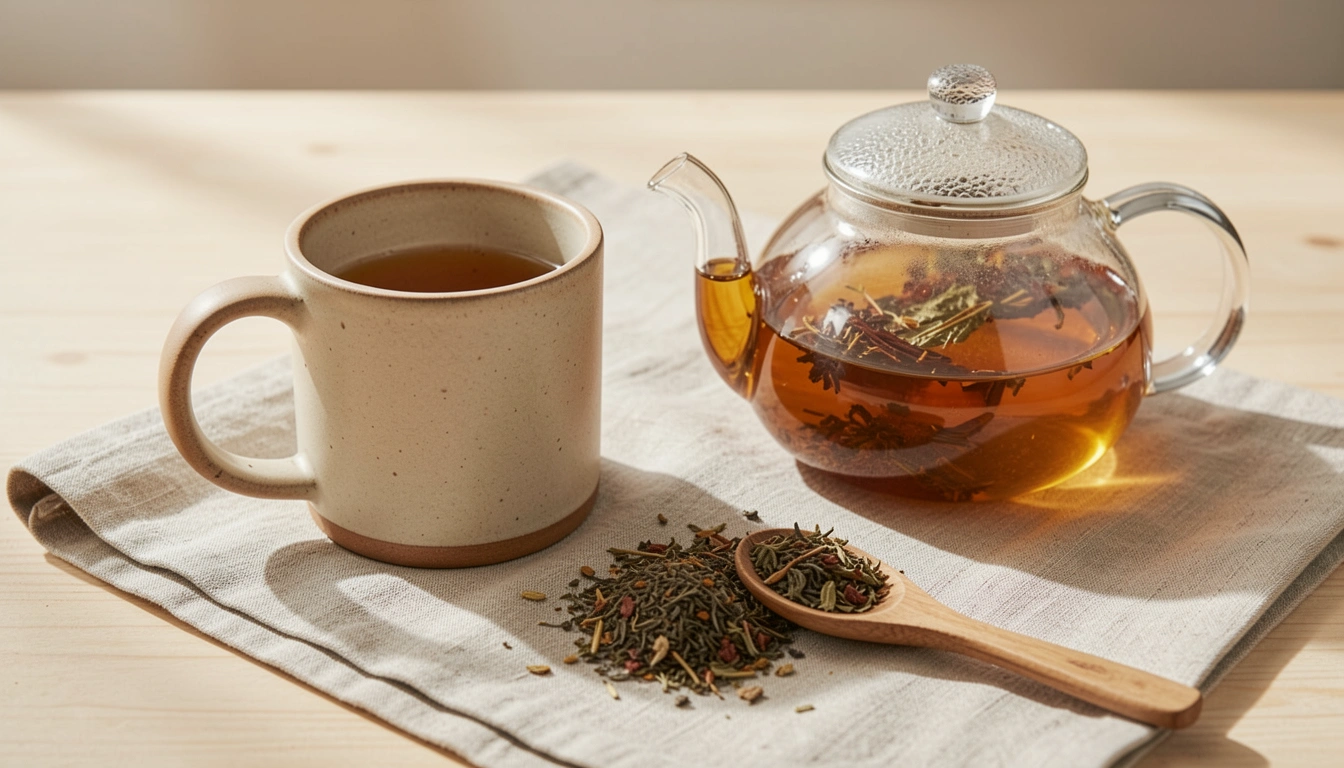
Cover the teapot or jar and steep 5–8 minutes for a balanced infusion. For stronger effects, steep up to 10 minutes. Watch the color shift to a warm amber as an indicator.
Covering traps essential oils and heat. Longer steeping increases potency but can bring bitterness if overdone.
Strain and serve carefully
Strain into mugs using a mesh strainer. Let cool until comfortably warm—about 1–2 minutes—before sipping. Add honey or lemon only after tasting.
Sip slowly after meals for best effect. Store leftovers in the fridge and reheat gently.
Best Herbs For Digestion (And Why)
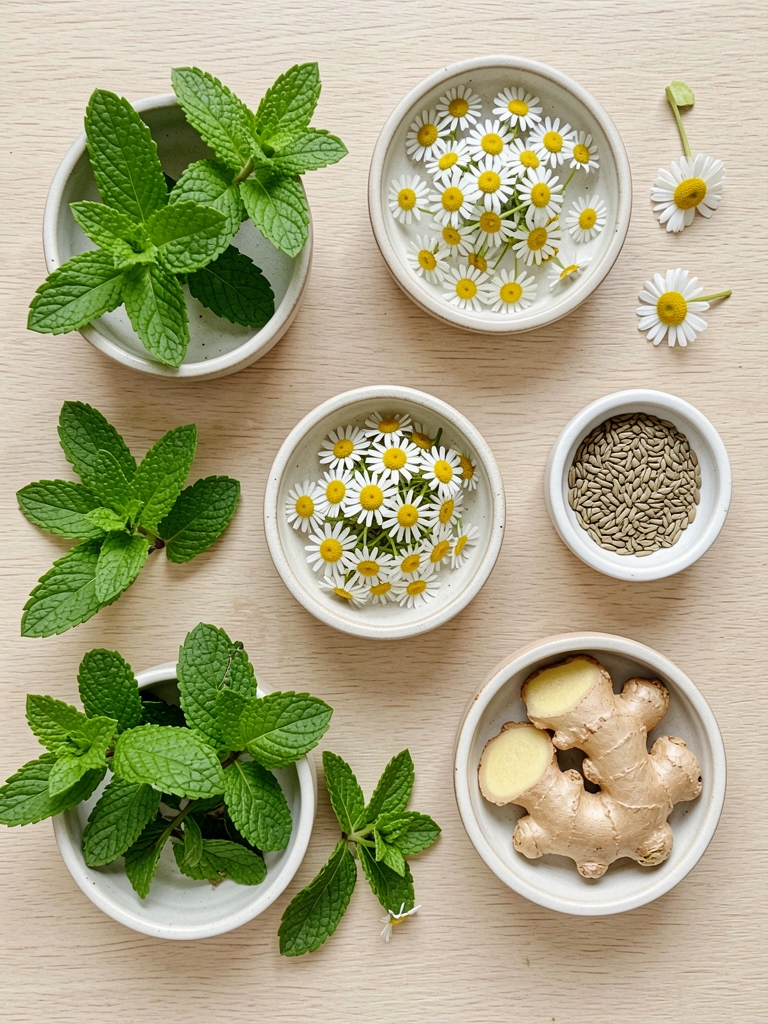
Peppermint relaxes intestinal muscles and eases gas. It’s bright and minty, so use with care if you have acid reflux—mint can relax the lower esophageal sphincter.
Ginger reduces nausea and speeds gastric emptying. Fresh ginger yields a warm, spicy note and works well when you feel bloated or sluggish after eating.
Fennel seeds help reduce cramping and gas. Toasting slightly before crushing boosts aroma. Chamomile soothes the gut lining and calms spasms; it’s gentle and floral.
When To Drink And How Much
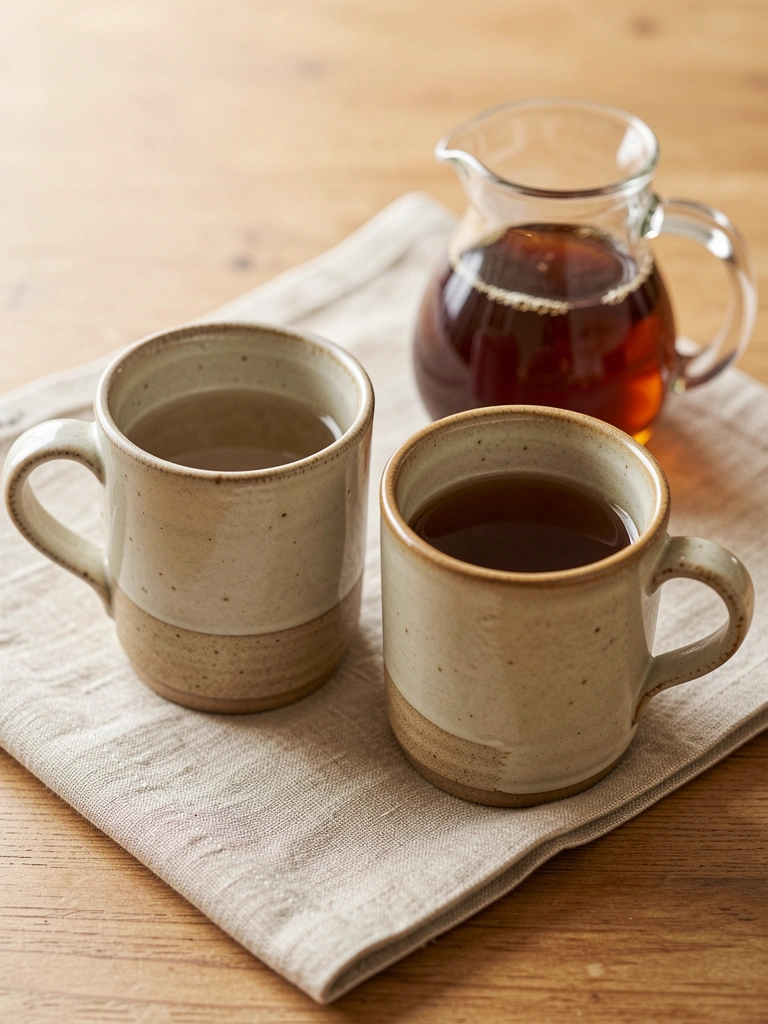
Drink one cup 20–30 minutes after a heavy meal to aid digestion. If you prefer, sip slowly during a meal to help digestion start sooner.
Limit to 2–3 cups per day for routine use. For acute discomfort, one stronger cup (longer steep) may help, but avoid excessive amounts of any single herb.
Adjust strength and timing based on how your body responds. Keep a small log for a few days to notice benefits or any mild reactions.
Safety And Precautions
Check for allergies—chamomile is related to ragweed and can trigger reactions. Pregnant or nursing people should consult a provider before using certain herbs like peppermint or fennel in medicinal amounts.
If you take prescription medications—especially blood thinners—ask your clinician about interactions. Ginger and chamomile can affect clotting or interact with drugs in rare cases.
Use low to moderate amounts until you know how you respond. When in doubt, choose a milder blend and seek medical advice.
Final Thoughts
You now have a clear, repeatable method for making herbal tea that supports digestion. Follow the measured steps for reliable flavor and effect.
Experiment gently with herb ratios until the taste and outcome suit you. Sip slowly and notice how your body relaxes after a meal.