How to Layer a Drink Recipe
You want clean, visible layers in a drink. You want the colors to sit like steps, not blur together. This guide shows the exact, repeatable technique to get crisp layers every time.
No fluff. Just chilled ingredients, proper order, steady pouring, and the right tools. Read fast, then practice.
How to Layer a Drink Recipe
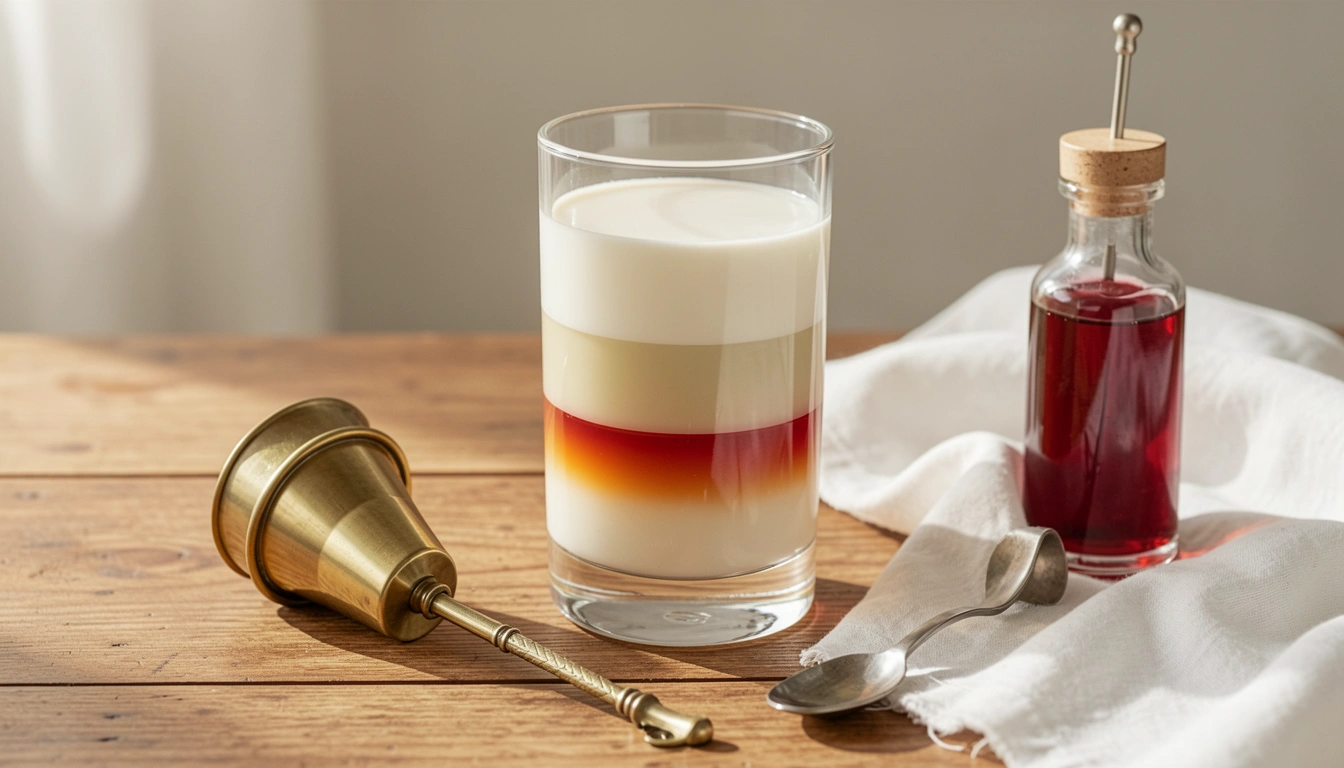
This makes a simple, three-layer practice drink: a dense syrup base, a mid-density juice, and a lighter spirit float. Expect three visible color bands and a gently separated texture between layers.
Ingredients
- 1 oz grenadine (dense syrup; forms the bottom layer)
- 2–3 oz orange juice, chilled (middle layer; pulp strained for clarity)
- 1 oz white rum or 80–100 proof spirit, chilled (top layer; lower sugar)
- Ice (optional; use large cube or none depending on glass)
- Tools: jigger, bar spoon (or small teaspoon), chilled tall glass (collins/highball)
Measure accurately. Use chilled liquids to slow blending. Choose clear juice for cleaner lines.
Step-By-Step Instructions
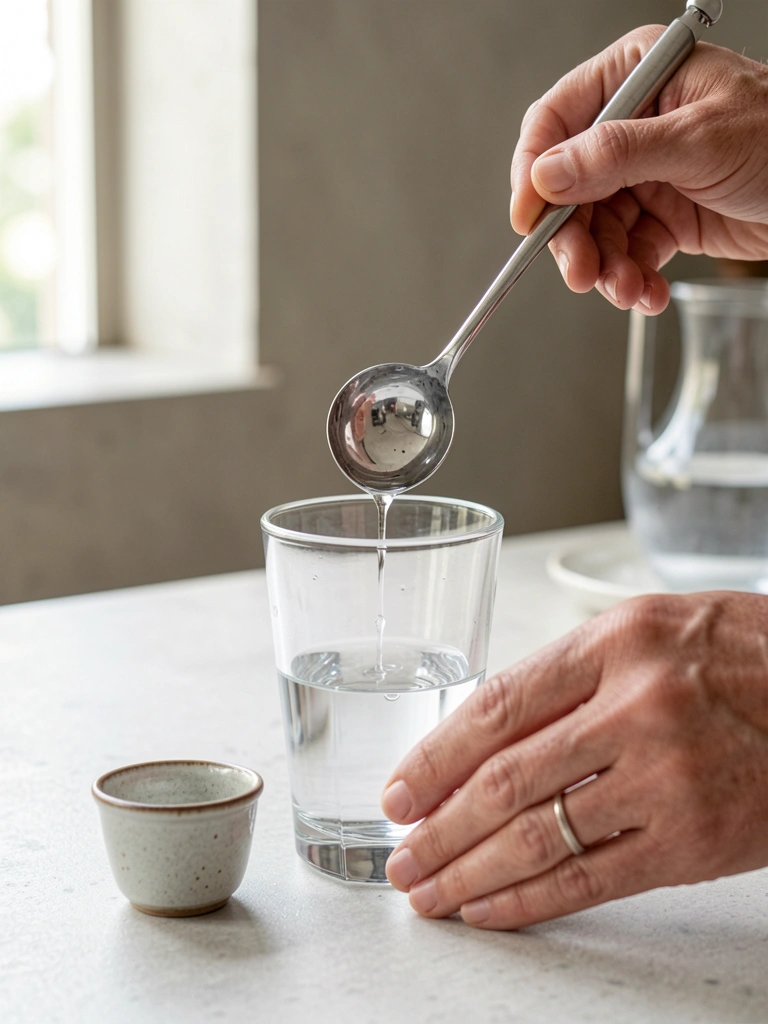
Step 1 — Chill everything
Put liquids and glass in the fridge for 15–30 minutes. Cold liquids mix less readily, which helps layers hold.
Use chilled tools too. This simple step reduces diffusion and gives you more working time.
Step 2 — Pour the bottom dense layer
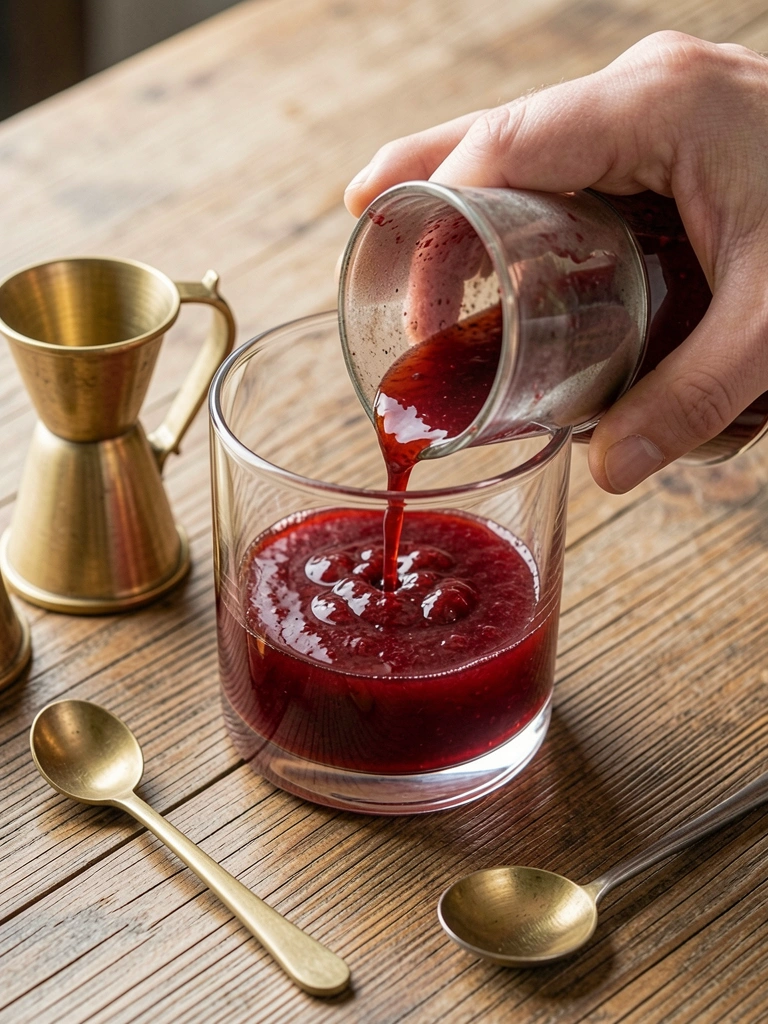
Measure 1 oz grenadine and pour it straight to the bottom. Pour slowly and let it settle.
You should see the syrup hug the glass base. This layer anchors the drink.
Step 3 — Prepare the middle layer
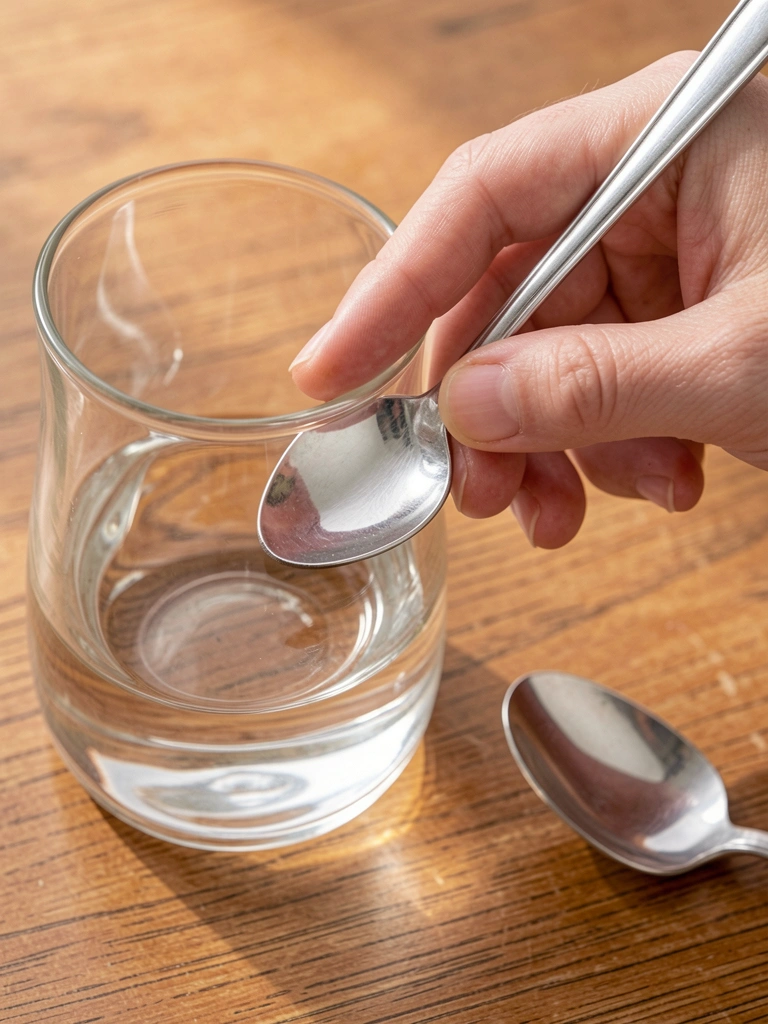
If using juice, strain pulp. Pour the juice gently into a jigger. Hold the spoon with the bowl side up against the glass, about ½ inch above the grenadine.
Pour the juice slowly over the spoon so it disperses and lands atop the syrup. Look for a clear line where colors meet.
Step 4 — Add the top layer
Chill the spirit and measure it. Using the same spoon technique, pour the spirit in a thin stream onto the spoon so it floats.
If the spirit sinks, slow the pour more and keep the spoon nearly touching the liquid surface. Patience prevents mixing.
Step 5 — Finish and check
Let the glass rest 30–60 seconds to let minor ripples settle. Inspect the edges for feathering.
If layers blend, remove a small amount and re-pour the top layer slower. Serve immediately.
How Density and Sugar Affect Layers
Density drives layering. Denser liquids (high sugar or syrup) sink. Lower-density liquids (higher alcohol, low sugar) float. Always order from densest at the bottom to lightest on top.
Measure sugar content roughly: syrups > liqueurs > juices > spirits. Temperature matters too — cold raises viscosity and reduces mixing. Visual cues: a sharp, straight line means success; a blurred gradient means densities were too similar or pouring was too fast.
Best Tools and Glasses for Layering
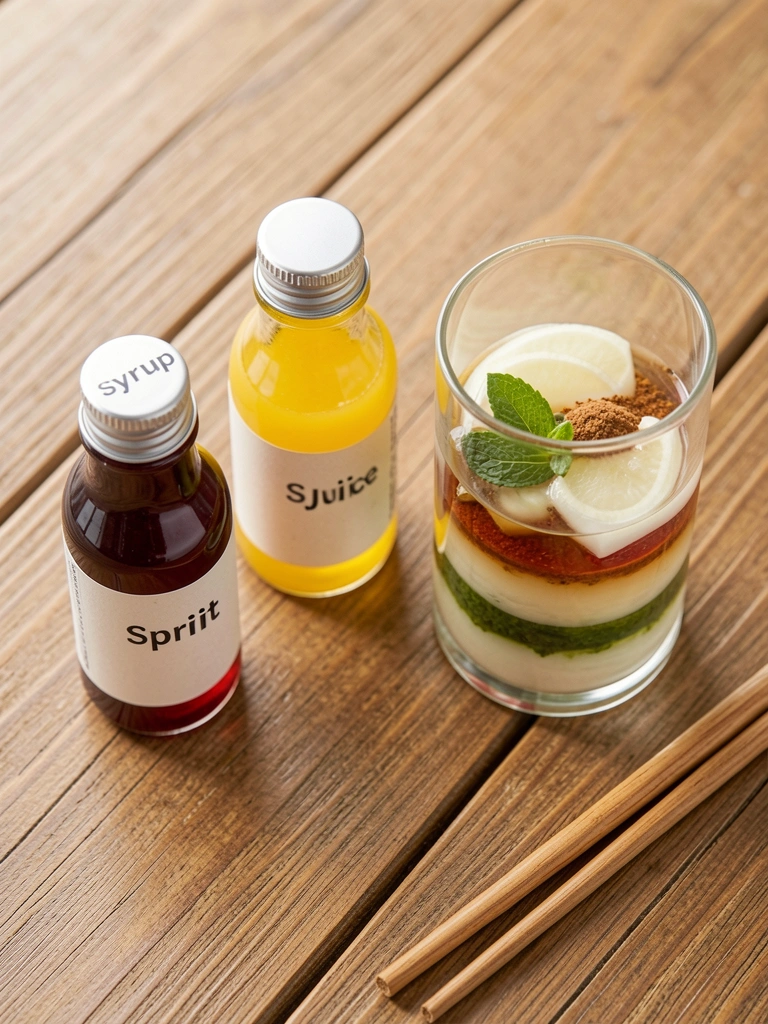
Use tall, narrow glasses (collins or highball) for pronounced bands. Short, wide glasses make layers harder to see. A bar spoon is ideal; if unavailable, use a small teaspoon.
Other helpful tools:
- Jigger for accurate measures.
- Strainer or fine mesh for clear juices.
- Chilled glass or ice bucket to keep temps low.
Good tools simplify technique. Keep everything at hand before you start. That reduces rushed pours and mixing.
Common Mistakes and Quick Fixes
Pouring too fast is the main error. Slow your pour and keep the spoon close to the surface. If the middle layer sinks, it was heavier than assumed—use a drier, lower-sugar substitute.
Adding ice late can break layers. Decide if you want ice beforehand: add large cube after the bottom layer if you must. If colors slightly blur, let the drink rest 60 seconds; many layers settle on their own.
Final Thoughts
Layering is a small set of precise habits: chill, order by density, pour slowly, use a spoon. Practice with the three-step template until you can create crisp bands reliably.
You’ll get cleaner results each time. Keep tools handy and liquids cold. Enjoy the visual payoff of a perfectly layered drink.