How to Make Kefir Soda at Home
You want fizzy, probiotic soda you can make on your counter. This guide walks you through every step to turn water kefir grains into bright, bubbly kefir soda at home.
You’ll learn exact ratios, timings, temperatures, and the simple tools you need. Follow this and you’ll bottle drinkable, lightly carbonated kefir soda in just a few days.
How to Make Kefir Soda at Home
Description
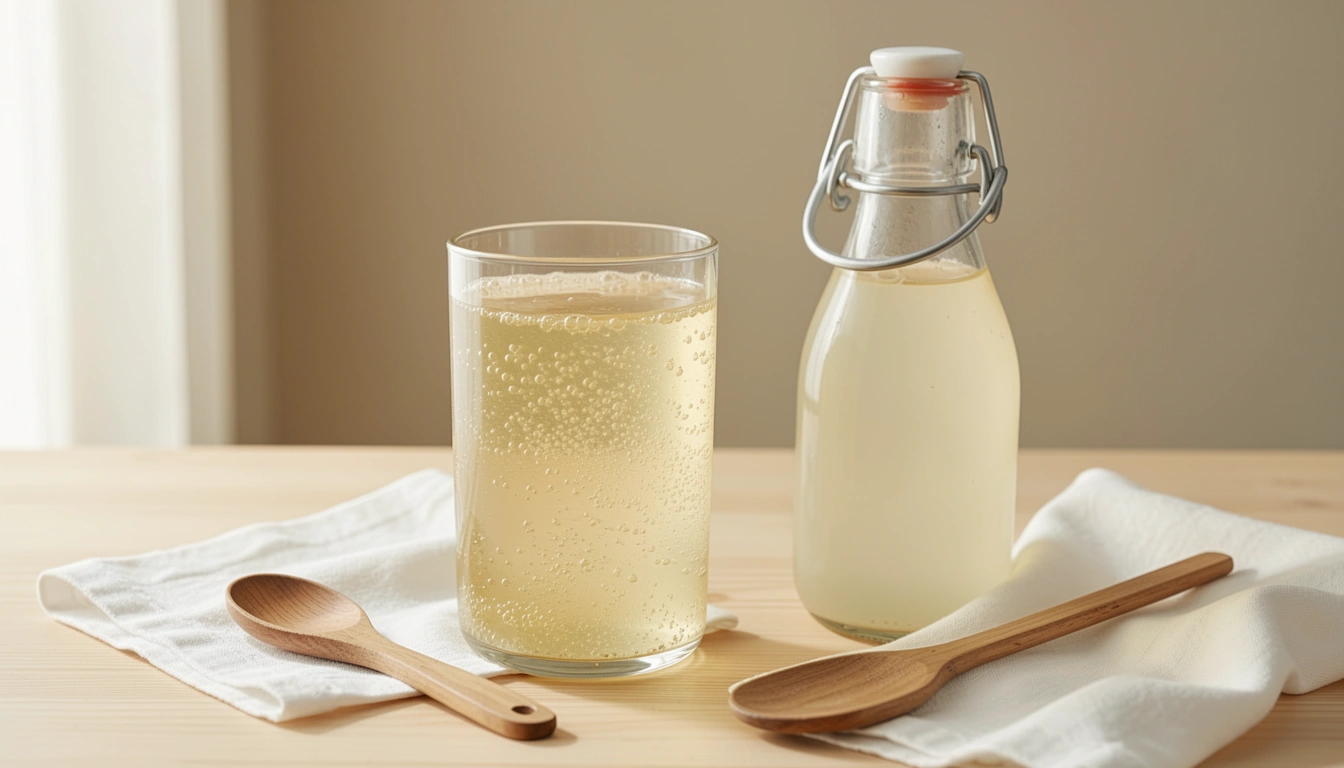
This recipe makes water-kefir-based soda: a lightly sweet, tangy, effervescent probiotic drink with gentle carbonation. Expect a thin, slightly syrupy mouthfeel that finishes crisp and mildly tart. The result is ready to drink after a secondary ferment bottles up bubbles.
Ingredients
- 1 quart (1 L) filtered water, cooled — use chlorine-free water so grains stay healthy.
- 1/4 cup (50–60 g) cane sugar — feeds the grains for fermentation and carbonation.
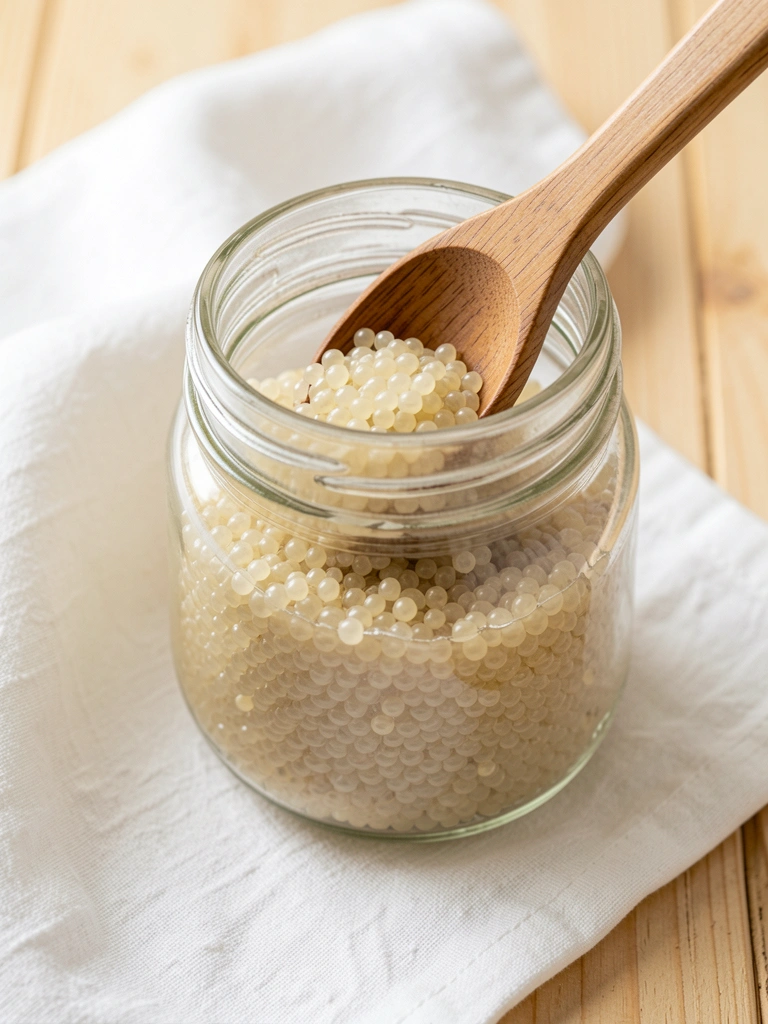
- 3–4 Tbsp water kefir grains — active grains packed with bacteria and yeast.
- 1/4 cup dried fruit (figs, raisins) or 1 slice fresh lemon — optional for primary fermentation minerals.
- 1–2 Tbsp fruit puree or 2–3 tsp juice per 12 oz bottle — for flavoring during secondary ferment.
- Optional: pinch of sea salt — helps mineral balance for grains.
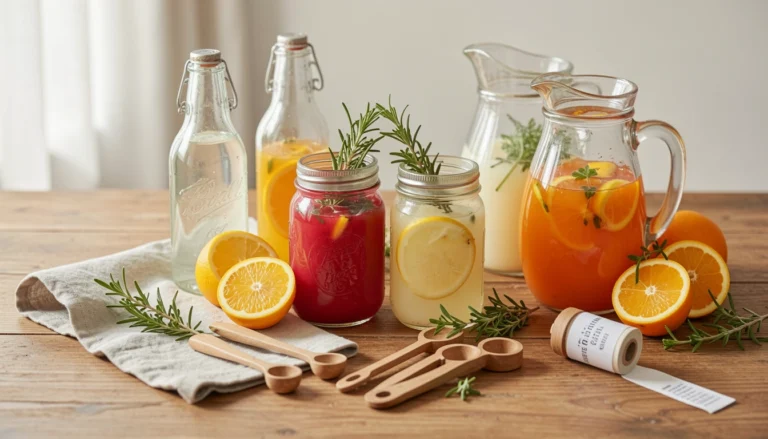
- Equipment: 1-quart glass jar, non-metallic spoon, plastic or nylon strainer, clean flip-top bottles, breathable cloth and rubber band.
Step-By-Step Instructions
Step 1: Make sugar water and cool
Dissolve 1/4 cup sugar in 1 cup hot water, then add remaining cold water to reach 1 quart. Stir with a non-metallic spoon until fully dissolved.
Cooling to room temperature (68–75°F / 20–24°C) prevents damaging the grains and ensures a predictable fermentation pace.
Step 2: Add grains and optional fruit
Place your 3–4 Tbsp water kefir grains in the glass jar. Add the cooled sugar water and the dried fruit or lemon slice if using. Stir gently.
The optional fruit gives trace minerals that help grains thrive. Cover with a breathable cloth and secure with a rubber band.
Step 3: Primary fermentation
Leave the jar at room temperature (68–75°F / 20–24°C) out of direct sun for 24–48 hours. Look for slight cloudiness and small bubbles — signs the grains are active.
Shorter time yields sweeter liquid; longer time makes it tangier. Taste after 24 hours to judge sweetness.
Step 4: Remove grains and reserve starter
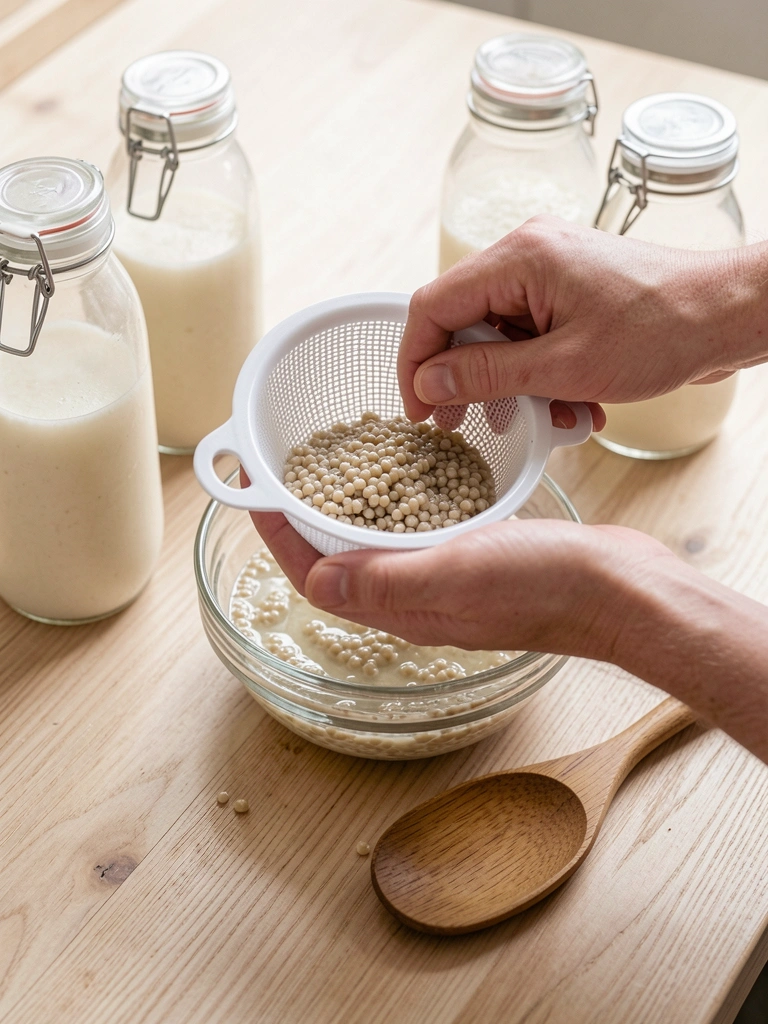
Strain the liquid through a plastic/nylon strainer into a clean bowl; return the grains to a small jar with a little fresh sugar water or refrigerate briefly.
Straining prevents over-fermentation of the soda and keeps grains ready for the next batch.
Step 5: Bottle with flavor and seal
Add 1–2 Tbsp fruit puree or 2–3 tsp juice to each 12-oz flip-top bottle. Pour the strained kefir liquid in, leaving 1–2 inches headspace. Seal bottles tightly.
The added sugar in fruit fuels secondary fermentation and builds carbonation. Use sturdy bottles designed for pressure.
Step 6: Secondary ferment and chill
Leave sealed bottles at room temperature 24–48 hours to carbonate. Check pressure every 12 hours by opening briefly. When adequately fizzy, refrigerate to slow fermentation.
Chilling stabilizes carbonation and develops flavor. Consume within 1–2 weeks for best fizz and freshness.
Fermentation Times & Temperatures
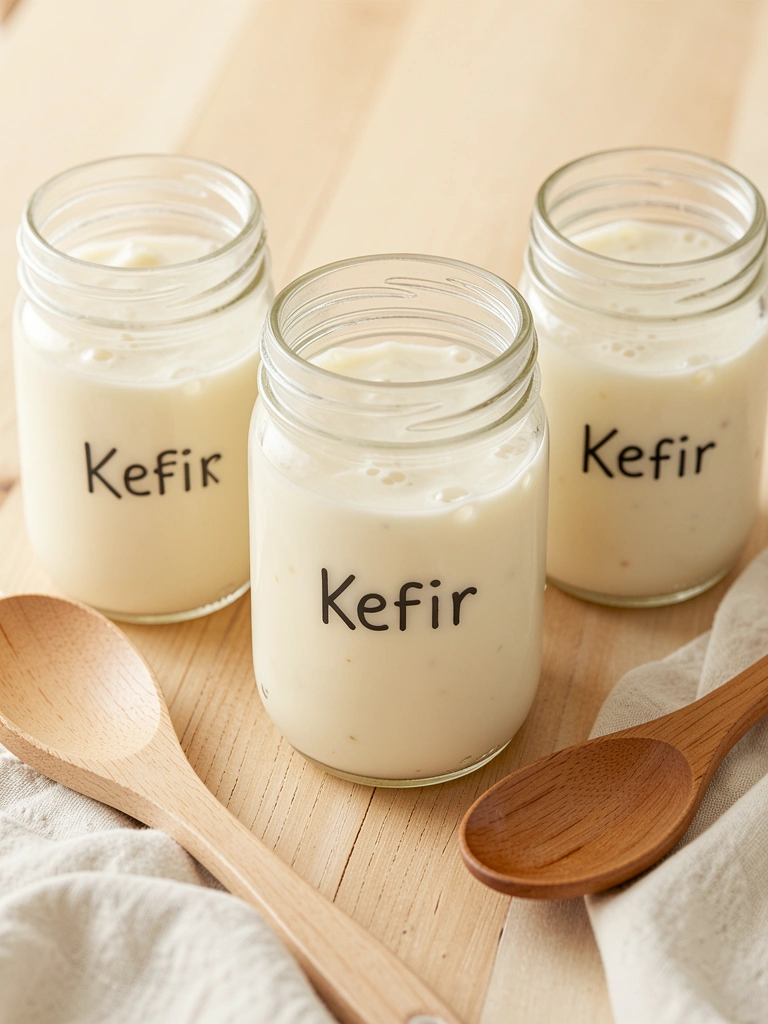
Room temperature controls speed. Aim for 68–75°F (20–24°C) for steady, reliable fermentation. Cooler temps lengthen both primary and secondary ferments. Warmer temps speed things but risk over-carbonation or off-flavors.
For carbonation, 24–48 hours in sealed bottles usually works. If bottles swell quickly, move them to the fridge sooner and burp once to release excess pressure. Safety first—use proper bottles.
Flavoring and Sweetening for Secondary Fermentation
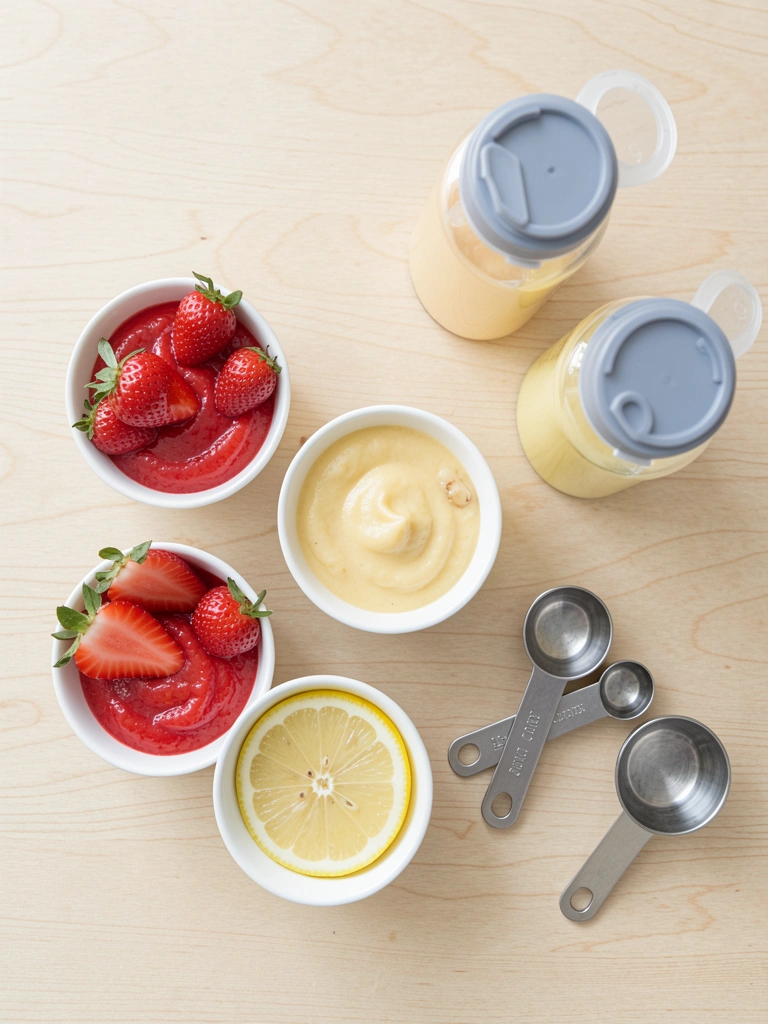
Choose fruit purees, fresh juice, grated ginger, or herbal syrups for flavors. Use about 1–2 tablespoons puree or 2–3 teaspoons juice per 12-oz bottle. This provides fermentable sugars to build fizz and flavor.
If you want lower residual sugar, use less sweetening and shorten secondary ferment. Taste-testing helps you balance sweetness and tang to your preference.
Common Problems & Fixes
If your kefir soda is flat, the secondary ferment likely lacked fermentable sugar or warm enough temps. Try a slightly longer secondary ferment or add a touch more puree next time.
If flavors go yeasty or overly sour, shorten primary fermentation and refrigerate bottles sooner. Brown or slimy grains mean contamination—discard and start with healthy grains.
Always avoid reactive metals when handling grains. Use plastic, wood, glass, or stainless utensils to protect grains’ health.
Final Thoughts
You can make refreshing, probiotic kefir soda with a few simple steps and basic kitchen tools. Start small, taste as you go, and keep your grains healthy.
With a consistent routine you’ll have fizzy bottles ready weekly. Enjoy experimenting within these safe, clear steps.