How to Make Matcha Latte Taste Less Bitter
You love matcha but the latte often tastes too sharp. You want the grassy notes without that lingering bitterness.
This guide shows precise swaps and simple techniques to mellow bitterness while keeping matcha’s bright flavor. You’ll get exact ratios, temperatures, and quick fixes you can use every time.
No gimmicks—just practical steps to make your matcha latte taste less bitter.
How to Make Matcha Latte Taste Less Bitter
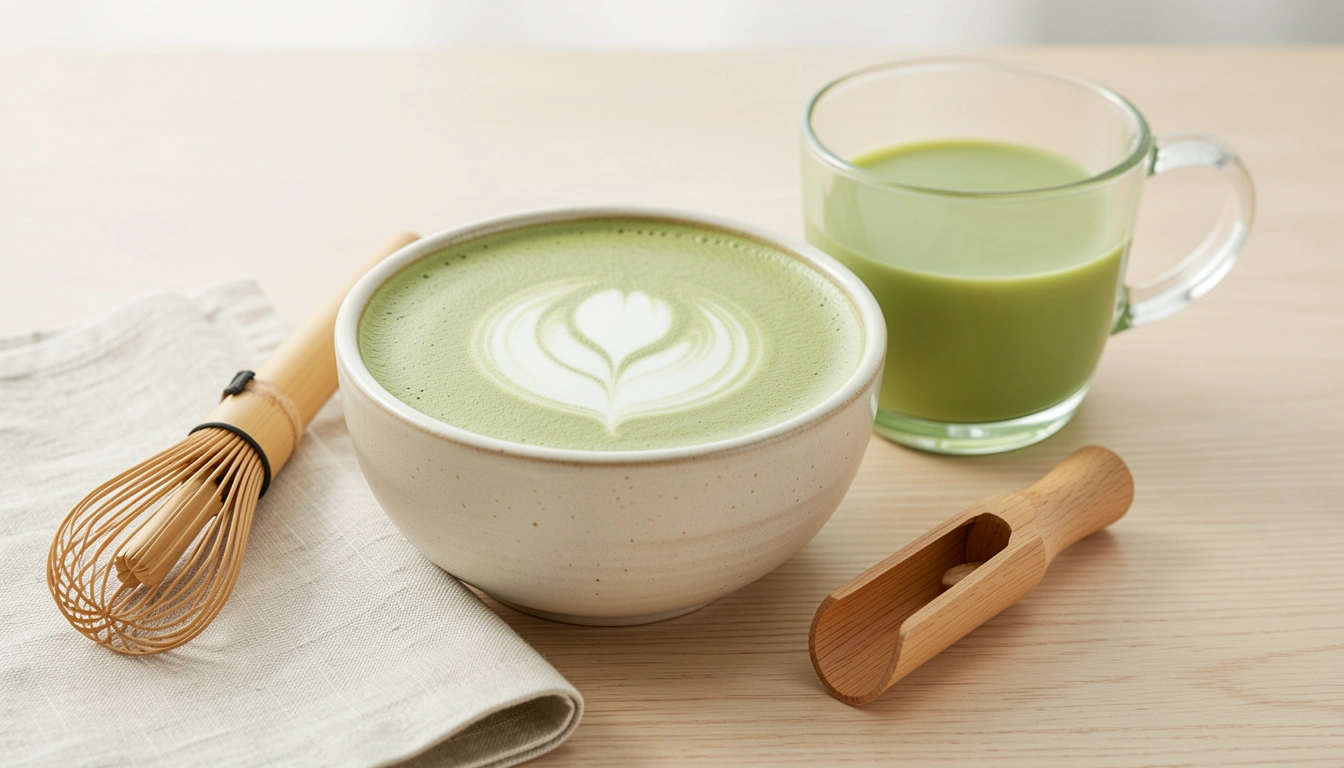
You’re making a creamy, smooth matcha latte with reduced bitterness. Expect velvety texture, bright but gentle green-tea flavor, and balanced sweetness.
This is about adjusting matcha, water, sweetener, and milk—not changing drink type or recipes.
Ingredients
- 1 teaspoon (2 g) ceremonial-grade or high-quality culinary matcha — sifted to remove clumps.
- 2 oz (60 ml) water at 160–175°F (70–80°C) — ideal for dissolving without extracting harsh tannins.
- 6–8 oz (180–240 ml) milk of choice — warmed to 140–150°F (60–65°C) for creaminess.
- 1–2 tsp sweetener (simple syrup, honey, or maple) — liquid sweeteners dissolve evenly.
- Ice (optional) — for iced lattes, use chilled milk and shake/whisk quickly.
- Tools: fine mesh sifter, matcha bowl or small bowl, bamboo whisk (chasen) or small frother, thermometer or kettle with temp control.
Step-By-Step Instructions
1. Sift the matcha.
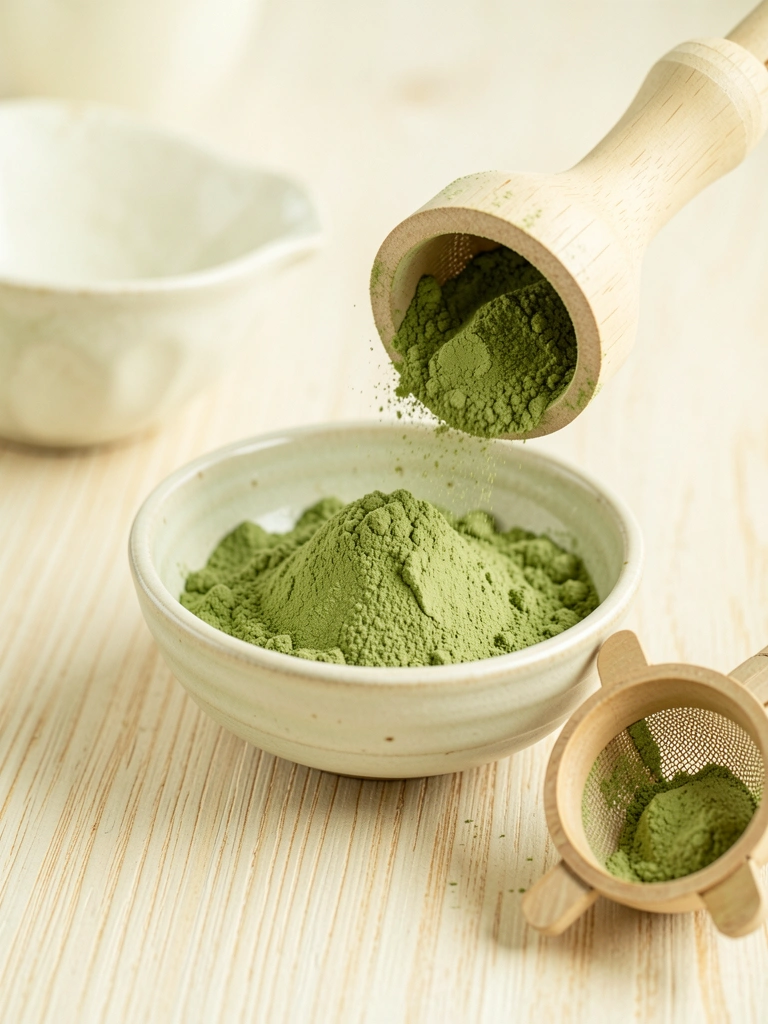
Sift 1 tsp (2 g) into your bowl to break clumps. Clumps trap powder and cause uneven extraction, which increases perceived bitterness. Use a small fine-mesh sifter and tap gently until powder is light and even.
2. Use lower-temperature water.
Heat 2 oz (60 ml) water to 160–175°F (70–80°C). Pour a small amount over the matcha. Hotter water (near boiling) pulls tannins and makes bitterness stronger. The cooler range preserves sweetness and vegetal notes.
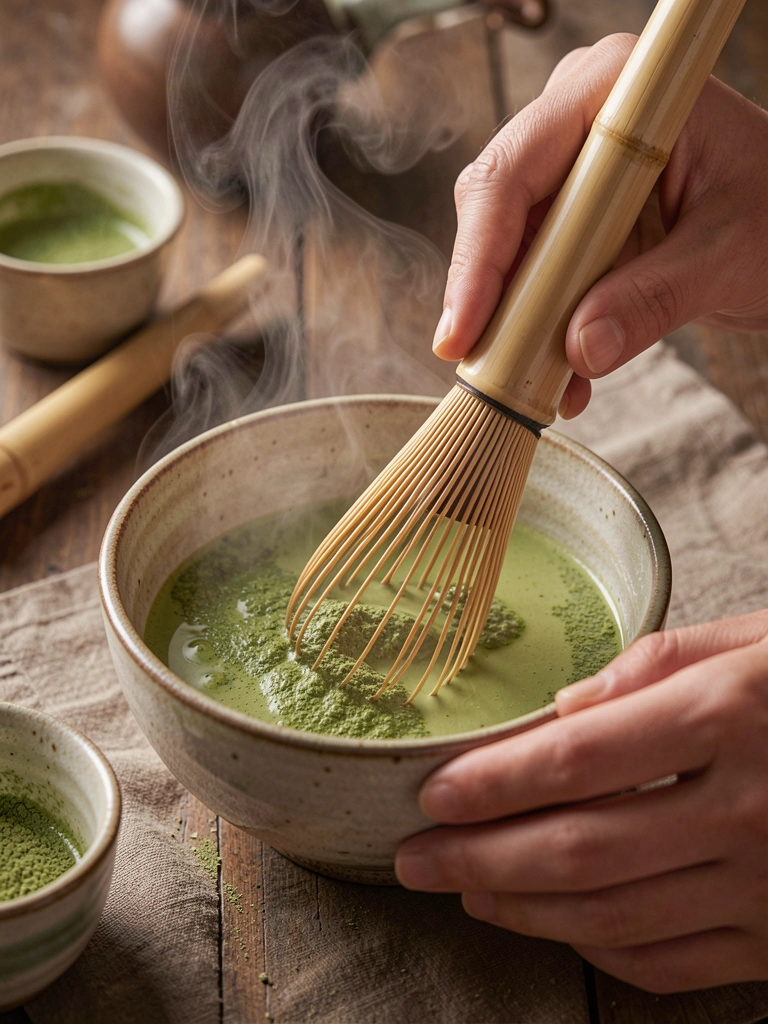
3. Whisk until frothy.
Whisk briskly in a zig-zag motion for 15–25 seconds with a bamboo whisk or electric frother. Stop when tiny bubbles form and the surface is frothy. Proper aeration integrates matcha and water, smoothing harsh edges.
4. Sweeten with liquid sweetener.
Add 1–2 tsp simple syrup, honey, or maple to the whisked matcha. Liquid sweeteners dissolve evenly and bind bitter compounds, reducing bite without masking matcha’s flavor. Taste and adjust by half-teaspoon increments.
5. Heat milk gently.
Warm 6–8 oz (180–240 ml) milk to 140–150°F (60–65°C). Overheated milk tastes scorched and highlights bitterness. Froth slightly for creaminess or pour steamed milk slowly to create a silky texture that softens sharpness.
6. Combine and taste-adjust.
Pour milk into the matcha base and stir once. Taste; if still bitter, add a splash more milk or ¼ tsp more sweetener. For iced versions, chill matcha base first and use cold milk to prevent dilution that sharpens taste.
Pick the Right Matcha Grade
Choosing the correct matcha affects bitterness immediately. Ceremonial-grade is fresher, smoother, and less astringent—use it for plain lattes. Culinary-grade is okay if blended with milk and sweetener but choose fresher, bright-green powders.
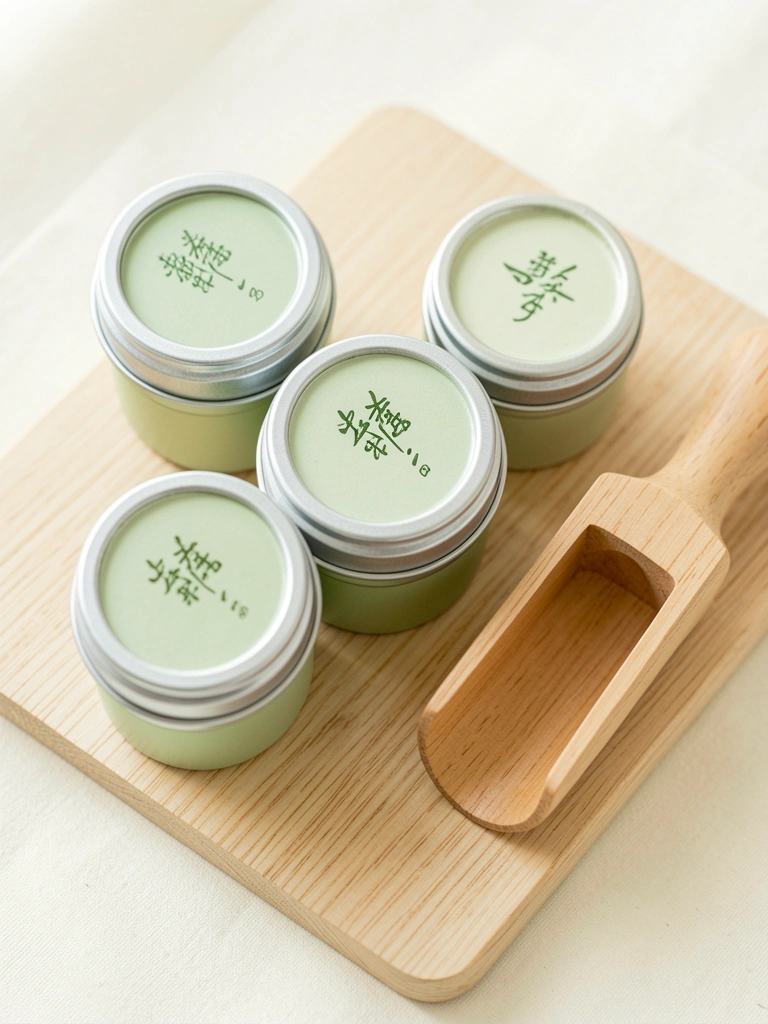
Look for vivid green color and fine texture. Dull, yellowish matcha usually indicates oxidation and stronger bitter tannins. Store in a sealed tin in the fridge to preserve freshness and avoid stale bitterness.
Sweeteners & Flavors That Reduce Bitterness
Liquid sweeteners (simple syrup, honey, maple) integrate best. Start with 1 tsp and increase slowly. Avoid overpowering sweet flavors; you want balance, not masking.
A tiny pinch of fine sea salt (less than 1/16 tsp) can mute bitterness. Vanilla extract (1/8 tsp) rounds flavor without adding sweet intensity. Use sparingly so matcha remains the star.
Milk Choices & Temperature Tricks
Full-fat dairy and oat milk round bitterness more than skim or almond. Oat milk’s natural sweetness pairs well with matcha. Warm milk to 140–150°F (60–65°C) — cooler than boiling — to keep the drink smooth.
For iced lattes, chill the matcha base before combining. Cold temperatures can make bitterness more pronounced if the matcha base is too concentrated, so dilute slightly or add extra sweetener for balance.
Common Mistakes That Make Matcha Bitter
- Using boiling water (above 175°F/80°C) — extracts tannins.
- Not sifting — clumps cause uneven extraction.
- Over-measuring matcha — too much powder increases astringency.
- Overheating milk — scorched milk amplifies bitterness.
Read each step slowly and follow temps and measurements to avoid these traps.
Final Thoughts
You can turn a sharp matcha latte into a smooth, balanced drink with small, precise changes: lower water temp, sifted matcha, gentle whisking, and the right sweetener and milk. Taste as you go and tweak tiny amounts.
These tweaks preserve matcha’s bright flavor while cutting bitterness. Try one change at a time to find your perfect balance.